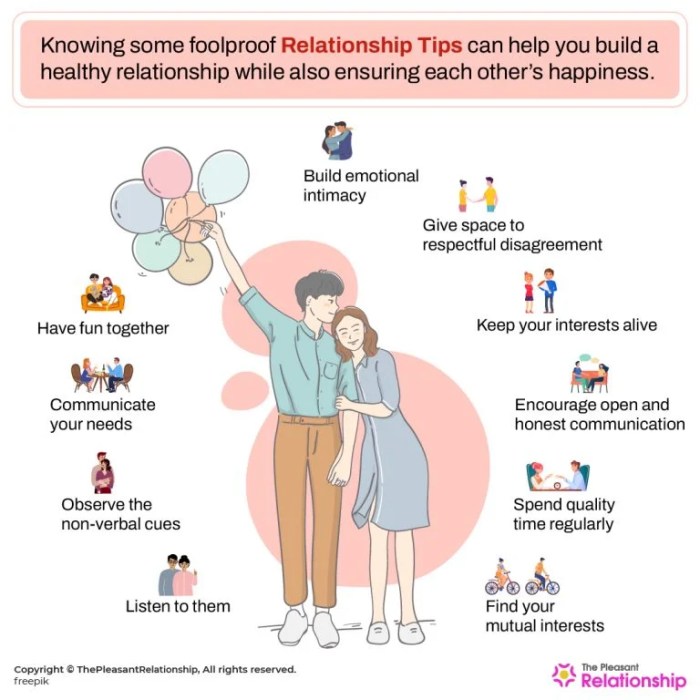
Relationship Boundaries Setting Healthy Limits for Better Connections

Boundaries relationships intellectual stronger bonobology

Embark on a journey exploring the importance of Relationship boundaries, crucial for fostering healthy dynamics and strong connections.

From understanding different types of boundaries to setting them effectively, this topic delves into the essence of maintaining respectful relationships.

Relationships

In relationships, boundaries play a crucial role in maintaining healthy dynamics and fostering mutual respect. Without clear boundaries, misunderstandings, conflicts, and even emotional harm can arise. Let’s explore the importance of setting boundaries in different types of relationships and how to communicate them effectively.

Examples of Different Types of Relationships where Boundaries are Important

  • Family Relationships: Setting boundaries with family members can help maintain individual autonomy and prevent enmeshment.
  • Romantic Relationships: Establishing boundaries around personal space, communication, and expectations can ensure a healthy and balanced partnership.
  • Friendships: Clear boundaries in friendships help in respecting each other’s time, emotions, and values.
  • Professional Relationships: Boundaries at work are essential for maintaining professionalism and preventing conflicts of interest.

Importance of Setting Boundaries in Relationships

Setting boundaries in relationships is crucial as it helps in:

  • Respecting individual needs and preferences.
  • Preventing misunderstandings and conflicts.
  • Promoting emotional well-being and self-care.
  • Fostering mutual trust and respect.

Comparison of Relationships with Strong versus Weak Boundaries

Relationships with strong boundaries tend to be healthier, more respectful, and less prone to conflicts. On the other hand, relationships with weak boundaries may suffer from issues like codependency, lack of respect, and emotional manipulation.

Tips on Communicating and Establishing Boundaries Effectively

  • Be clear and specific about your boundaries.
  • Communicate assertively and respectfully.
  • Listen actively to the boundaries of others.
  • Reinforce boundaries consistently and enforce consequences when needed.
  • Seek support from a therapist or counselor if you struggle with setting boundaries.

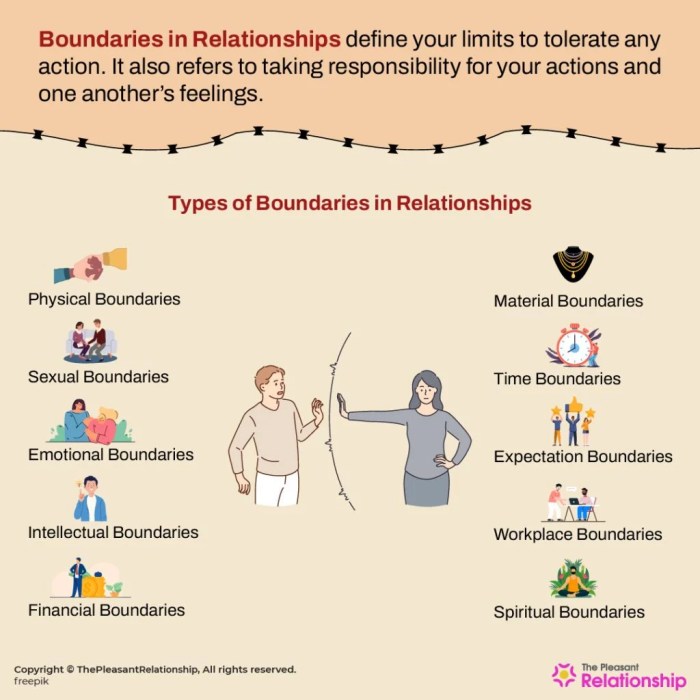
Types of Relationship Boundaries

Boundaries relationships intellectual stronger bonobology

Establishing boundaries in relationships is crucial for maintaining healthy dynamics and fostering mutual respect. Different types of boundaries exist, including emotional, physical, time, and more. These boundaries can vary depending on the nature of the relationship, whether it is romantic, familial, or a friendship. Setting clear boundaries helps individuals feel respected and understood, leading to stronger connections.

Emotional Boundaries

Emotional boundaries involve understanding and respecting each other’s feelings, thoughts, and personal space. It is essential to communicate openly about emotions without judgment or criticism. For example, in a romantic relationship, partners may establish boundaries around discussing past relationships to avoid triggering jealousy or insecurity.

Physical Boundaries

Physical boundaries encompass personal space, touch, and intimacy levels. It is vital to establish comfort levels regarding physical contact and respect each other’s boundaries. For instance, in a friendship, setting boundaries around personal space can prevent misunderstandings and discomfort.

Time Boundaries

Time boundaries revolve around respecting each other’s schedules, priorities, and availability. Establishing clear expectations about time commitments can prevent misunderstandings and conflicts. In a familial relationship, setting boundaries around personal time can help individuals balance family responsibilities with self-care.

Professional Boundaries

In professional relationships, boundaries are essential to maintain professionalism, respect, and ethical conduct. Clear boundaries can prevent conflicts of interest and ensure a healthy work environment. For example, in a boss-employee relationship, setting boundaries around personal discussions at work can maintain a professional atmosphere.

Scenarios of Improved Relationships

Setting clear boundaries in relationships can lead to positive outcomes. For instance, a couple who establishes emotional boundaries around communication may experience improved trust and understanding. Similarly, friends who respect each other’s physical boundaries can strengthen their bond and avoid discomfort.

Boundary Violations

Boundary violations occur when one person disregards or crosses another’s established boundaries. This can lead to feelings of betrayal, resentment, and mistrust. It is crucial to address boundary violations promptly and communicate openly to prevent further harm to the relationship.

Setting Boundaries in Relationships

Setting boundaries in relationships is crucial for establishing healthy dynamics and ensuring mutual respect. Here is a step-by-step guide on how to set boundaries in a new relationship:

Step-by-Step Guide to Setting Boundaries in a New Relationship

  • Reflect on Your Needs: Take time to identify your own needs, values, and limits before communicating them to your partner.
  • Communicate Clearly: Express your boundaries in a clear and direct manner, using “I” statements to avoid sounding accusatory.
  • Listen and Validate: Be open to hearing your partner’s perspective and validate their feelings, even if they differ from yours.
  • Set Consequences: Clearly communicate the consequences of crossing boundaries, and be prepared to enforce them if necessary.
  • Revisit and Adjust: Regularly revisit and adjust boundaries as the relationship evolves, ensuring they continue to meet both partners’ needs.

Challenges in Setting Boundaries in Relationships

Individuals may face various challenges when trying to set boundaries in relationships, including:

  • Fear of Conflict: Some people avoid setting boundaries to prevent conflict or rejection.
  • Guilt or Obligation: Feelings of guilt or obligation can make it challenging to assert boundaries.
  • External Influences: External pressures from family, friends, or societal norms may influence boundary-setting decisions.

Examples of Healthy Boundaries in Different Types of Relationships

Healthy boundaries can vary depending on the type of relationship. Here are some examples:

Relationship Type Example of Healthy Boundary
Friendship Setting limits on how often you are available to hang out to prioritize self-care.
Romantic Relationship Establishing personal space boundaries to maintain individual identities within the relationship.
Family Communicating expectations for respect and boundaries within family interactions.

Cultural and Societal Influences on Boundary-Setting

Cultural and societal norms can significantly impact how individuals perceive and establish boundaries in relationships. These influences may include:

Expectations for gender roles, communication styles, and values related to personal space and privacy.

Boundaries and Self-Care

Setting boundaries in relationships is closely tied to the practice of self-care. When individuals establish and enforce their boundaries, they are essentially prioritizing their own needs and well-being. This act of self-respect can have profound effects on mental health and overall wellness.

Respecting Personal Boundaries for Better Mental Health

  • Respecting personal boundaries is a form of self-respect that can lead to improved mental health outcomes.
  • By setting boundaries, individuals communicate their needs and limits, reducing feelings of resentment or being overwhelmed.
  • When personal boundaries are upheld, individuals are more likely to experience a sense of control and autonomy in their relationships.

Maintaining Identity Through Boundaries

  • Boundaries help individuals define their own identity separate from their relationships.
  • By setting and maintaining boundaries, individuals can prevent their sense of self from being overshadowed by others.
  • Healthy boundaries allow individuals to prioritize their values, beliefs, and interests, contributing to a strong sense of self.

Recognizing and Addressing Boundary Crossings

  • It is important to be aware of signs that indicate when boundaries are being crossed in a relationship.
  • Feelings of discomfort, resentment, or violation may indicate that a boundary has been breached.
  • When boundaries are crossed, it is crucial to communicate assertively and express one’s needs and limits clearly.
  • Establishing consequences for boundary violations can help reinforce the importance of respecting personal boundaries.

As we conclude, remember that clear boundaries are the cornerstone of any thriving relationship, ensuring mutual respect and understanding for a fulfilling connection.

Clarifying Questions

How can setting boundaries improve relationships?

Setting boundaries helps establish mutual respect and fosters healthier dynamics by clearly defining individual needs and limits.

What are some common challenges in setting boundaries?

Some challenges include fear of conflict, guilt for asserting needs, and concerns about being perceived as selfish.

How do boundaries contribute to self-care?

Boundaries play a vital role in self-care by promoting mental well-being, preserving personal identity, and preventing emotional burnout.
Relationship red flags Signs to Watch Out For in a Relationship

Flags relationship boundaries

Exploring the world of Relationship red flags, this introduction captivates readers with an intriguing glimpse into the warning signs that can indicate potential issues in a relationship. From common behaviors to the importance of early recognition, this overview sets the stage for a deeper dive into maintaining healthy connections.

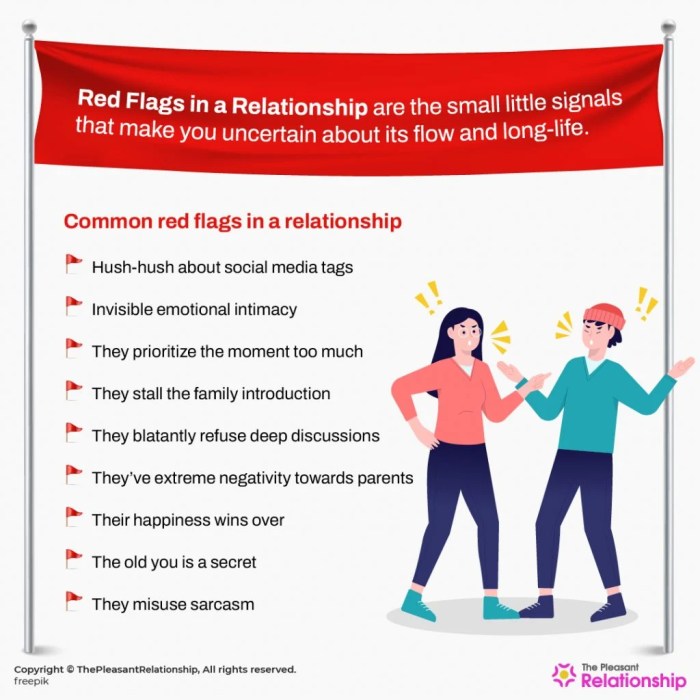
Relationship Red Flags

Unhealthy relationships often exhibit certain warning signs, known as red flags, that indicate potential problems. It is essential to recognize these signs early on to address any issues and maintain a healthy relationship.

Common Signs of Unhealthy Relationships

Here are some common behaviors that can serve as red flags in a relationship:

  • Controlling behavior, such as isolating a partner from friends and family.
  • Constant criticism and belittling of the other person.
  • Lack of trust or constant jealousy.
  • Emotional or physical abuse.
  • Gaslighting or manipulation tactics.

Importance of Recognizing Red Flags

Recognizing and addressing red flags early on is crucial for maintaining a healthy relationship. Ignoring these warning signs can lead to further issues and potentially harmful situations. It is essential to communicate openly with your partner and seek help if needed to address any red flags and ensure a safe and supportive relationship.

Communication Issues

Poor communication can be a significant red flag in a relationship as it can lead to misunderstandings, conflicts, and feelings of neglect or resentment between partners. When communication breaks down, it becomes challenging to express emotions, needs, and concerns effectively, ultimately straining the relationship.

Ways to Improve Communication with a Partner

Improving communication with a partner is crucial for maintaining a healthy and strong relationship. Here are some ways to enhance communication:

  • Practice active listening: Pay attention to your partner’s words, tone, and body language to truly understand their perspective.
  • Express thoughts and feelings openly: Be honest and transparent about your emotions, needs, and concerns to foster trust and intimacy.
  • Avoid blaming or criticizing: Use “I” statements to express your feelings without accusing or attacking your partner.
  • Set aside dedicated time for communication: Schedule regular check-ins or discussions to address any issues and strengthen your connection.
  • Seek professional help if needed: Consider couples therapy or counseling to work through communication barriers and improve understanding.

Impact of Unresolved Communication Issues on a Relationship

Unresolved communication issues can have detrimental effects on a relationship, leading to:

  • Increased conflict and tension: Misunderstandings and unexpressed feelings can escalate into arguments and disagreements.
  • Emotional distance: Lack of effective communication can create a sense of disconnection and isolation between partners.
  • Trust issues: Poor communication can erode trust and intimacy, making it difficult to feel secure in the relationship.
  • Stagnation or deterioration of the relationship: Without addressing communication issues, the relationship may become stagnant or even deteriorate over time.
  • Difficulty in resolving conflicts: Without open and clear communication, resolving conflicts and finding compromises becomes challenging.

Trust and Honesty

Trust and honesty are crucial components of a healthy relationship. When there is a lack of trust or dishonesty between partners, it can signal trouble and lead to the deterioration of the relationship. Without trust and honesty, the foundation of the relationship becomes shaky, and conflicts may arise more frequently.

Behaviors that erode trust

  • Consistent lying or deceitful behavior
  • Keeping secrets or withholding important information
  • Cheating or infidelity
  • Breaking promises or commitments
  • Being unreliable or inconsistent in actions

Strategies to rebuild trust and promote honesty

  • Open and honest communication: Encourage open discussions about feelings, concerns, and past actions.
  • Transparency: Be willing to share information and be open about your actions to rebuild trust.
  • Consistency: Demonstrate reliability and consistency in your words and actions to show your commitment to rebuilding trust.
  • Seeking professional help: Consider couples therapy or counseling to work through trust issues with the help of a trained professional.
  • Setting boundaries: Establish clear boundaries and expectations to prevent future breaches of trust.

Boundaries and Respect

Flags relationship boundaries

Setting and respecting boundaries is crucial in maintaining a healthy and balanced relationship. Boundaries help individuals establish their personal space, needs, and limits, leading to mutual respect and understanding between partners.

Signs of Disrespect for Boundaries

Here are signs indicating a lack of respect for boundaries in a relationship:

  • Constantly ignoring or dismissing your partner’s feelings or opinions.
  • Invading personal space without consent.
  • Making important decisions without consulting your partner.
  • Pressuring your partner to do things they are not comfortable with.
  • Disregarding agreed-upon boundaries or limits.

Establishing and Maintaining Mutual Respect

To ensure mutual respect in a relationship, consider the following:

  • Communicate openly and honestly about your needs and boundaries.
  • Listen actively to your partner’s concerns and be empathetic towards their feelings.
  • Respect each other’s personal space, time, and individuality.
  • Set clear boundaries and discuss them regularly to ensure both partners are on the same page.
  • Address any boundary violations promptly and assertively, reinforcing the importance of respect.

In conclusion, being attuned to Relationship red flags is crucial for nurturing strong and thriving relationships. By understanding communication issues, trust, honesty, boundaries, and respect, individuals can navigate their relationships with awareness and care, ensuring mutual happiness and fulfillment.

Questions Often Asked

What are some subtle signs of Relationship red flags?

Subtle signs include passive-aggressive behavior, lack of accountability, and dismissive attitudes towards concerns.

How can one address red flags in a relationship without conflict?

Open and honest communication, seeking counseling, and setting clear boundaries can help address red flags constructively.

Love Languages Understanding and Applying the Five Love Languages for Stronger Relationships

Languages love worksheet chapman gary coach la chessmuseum source

Love languages sets the stage for this enthralling narrative, offering readers a glimpse into a story that is rich in detail with casual formal language style and brimming with originality from the outset.

Love languages play a crucial role in understanding how people give and receive love, influencing the dynamics of relationships in profound ways. This article explores the concept of love languages, delving into the five types identified by Gary Chapman and how they can be applied to enhance connections with loved ones.

Love Languages

Love languages refer to the different ways people express and receive love. Understanding love languages can help individuals communicate their affection more effectively and strengthen their relationships.

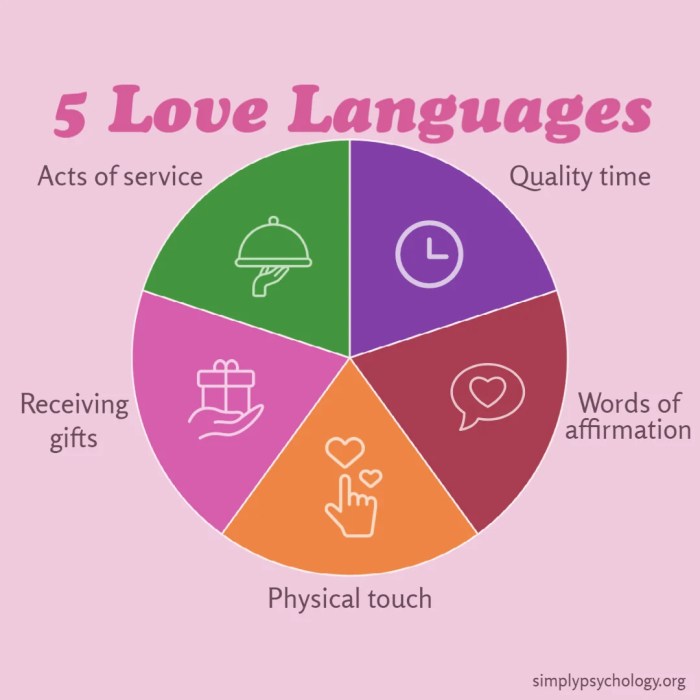
The Five Love Languages by Gary Chapman

  • Words of Affirmation: Expressing love through verbal compliments, encouragement, and kind words.
  • Acts of Service: Showing love by performing thoughtful gestures and actions for your partner.
  • Receiving Gifts: Feeling loved through the giving and receiving of tangible items as symbols of affection.
  • Quality Time: Spending meaningful and focused time together to nurture the relationship.
  • Physical Touch: Feeling loved through physical gestures like hugs, kisses, and holding hands.

Improving Relationships through Love Languages

Understanding your partner’s love language can lead to more effective communication and deeper emotional connections. By expressing love in ways that resonate with your partner, you can create a stronger bond and a more fulfilling relationship.

Examples of Love Languages in Relationships

  • A partner whose love language is Acts of Service may feel most loved when their significant other helps with household chores without being asked.
  • For someone whose love language is Quality Time, simply spending uninterrupted time together, such as going for a walk or having a meaningful conversation, can be incredibly meaningful.
  • Individuals who value Words of Affirmation may appreciate hearing compliments and words of encouragement regularly to feel loved and appreciated.
  • Those who respond to Physical Touch may feel the deepest connection through cuddling, holding hands, or other physical displays of affection.
  • Receiving Gifts as a love language may involve thoughtful gestures like surprising your partner with their favorite treat or a small token of appreciation.

Types of Love Languages

Understanding the concept of love languages can greatly enhance communication and emotional connection in relationships. Gary Chapman identifies five primary love languages that individuals use to express and receive love.

Words of Affirmation

Words of affirmation involve verbal expressions of love and appreciation. This can include compliments, encouragement, and kind words that uplift and validate the other person.

Acts of Service

Acts of service entail doing helpful and considerate things for your partner. This could be anything from cooking a meal, running errands, or completing tasks to ease their burden.

Receiving Gifts

Receiving gifts involves the giving and receiving of physical tokens of love. These gifts can be big or small, and the thought and effort put into selecting them are what matter most.

Quality Time

Quality time is about giving your undivided attention to your partner. This means spending meaningful time together, engaging in activities, and having deep conversations to strengthen the bond.

Physical Touch

Physical touch includes non-verbal expressions of love such as hugs, kisses, holding hands, and other forms of physical affection. This love language emphasizes the power of touch in conveying love and support.

Each love language has its unique way of expressing and receiving love, and individuals may have a primary love language that resonates with them the most. To determine your primary love language, pay attention to how you naturally express love to others and how you prefer to receive love in return. Understanding your primary love language can help you communicate your needs effectively in a relationship and foster a deeper connection with your partner.

Importance in Relationships

Languages love worksheet chapman gary coach la chessmuseum source

Understanding love languages is crucial in relationships as it helps partners communicate their affection in a way that is meaningful to the other person. By knowing each other’s love languages, couples can strengthen their emotional connection and foster a deeper bond.

Misunderstandings Due to Mismatched Love Languages

Mismatched love languages can lead to misunderstandings and miscommunication in relationships. For example, if one partner expresses love through acts of service while the other values quality time together, they may not feel loved or appreciated despite the efforts. This can create tension and distance between partners.

Learning Each Other’s Love Languages

To learn each other’s love languages, partners can take the time to observe how the other person expresses love and what gestures or actions make them feel valued. Open communication and willingness to adapt to each other’s needs are key in understanding and incorporating love languages into the relationship.

Strengthening Relationships with Love Languages

Incorporating love languages into relationships can strengthen the emotional connection between partners. For instance, if one partner’s love language is words of affirmation, regularly expressing appreciation and affection through verbal affirmations can boost their self-esteem and deepen their bond. By recognizing and catering to each other’s love languages, couples can create a more fulfilling and harmonious relationship.

Applying Love Languages

Understanding and applying love languages in daily interactions can significantly improve relationships and deepen emotional connections. By speaking your partner’s love language, you show them love in a way that resonates with their heart.

Incorporating Love Languages in Daily Interactions

One practical way to apply love languages is by actively listening to your partner and observing their reactions to different gestures of love. Pay attention to what makes them feel appreciated and loved, and make an effort to incorporate those actions into your daily routine.

Success Stories of Couples Improving Relationships

  • A couple who discovered their love languages through a relationship workshop started implementing small changes in their interactions. By expressing love in their partner’s preferred language, they saw a significant improvement in communication and intimacy.
  • Another couple found that by understanding each other’s love languages, they were able to overcome misunderstandings and conflicts more effectively. This led to a stronger and more harmonious relationship.

Challenges in Communicating Love Through Different Languages

One common challenge when applying love languages is misinterpreting your partner’s actions or words due to differences in communication styles. It’s essential to have open and honest conversations to avoid misunderstandings and ensure that both partners feel loved and valued.

Practical Tips for Expressing Love

  1. Take the love languages quiz together to identify each other’s primary love languages.
  2. Make a conscious effort to express love in your partner’s preferred language, even if it doesn’t come naturally to you.
  3. Be patient and understanding as you navigate the process of learning to speak each other’s love languages fluently.
  4. Regularly check in with your partner to see if their emotional needs are being met through your expressions of love.

As we conclude this exploration of love languages, it becomes evident that these simple yet powerful concepts have the potential to transform relationships. By recognizing and incorporating each other’s love languages, individuals can build stronger, more fulfilling connections that stand the test of time.

Popular Questions

How can love languages impact relationships?

Understanding and speaking your partner’s love language can lead to deeper emotional connections and more meaningful interactions.

Can someone have more than one primary love language?

While individuals may resonate with multiple love languages, there is usually one that stands out as the primary way they prefer to receive love.

What if my partner and I have different primary love languages?

Recognizing and respecting each other’s love languages can bridge the gap and create a stronger bond, even if they differ.

Breakup Recovery Overcoming Heartbreak and Finding Healing

Recovering ways forgive breakup

Embarking on the journey of breakup recovery can be a challenging yet transformative experience. As we delve into the intricacies of healing after a breakup, we uncover valuable insights and practical strategies to navigate this emotional terrain with resilience and growth.

Exploring the stages, self-care strategies, seeking support, reflection, and growth, and the dynamics of relationships post-breakup, this comprehensive guide offers a roadmap towards emotional well-being and personal empowerment.

Breakup Recovery

Breakup recovery is the process of healing and moving on after the end of a romantic relationship. It is essential for individuals to come to terms with the breakup, process their emotions, and eventually find closure in order to move forward in a healthy way.

Common Challenges During Breakup Recovery

  • Emotional Rollercoaster: People often experience a range of emotions such as sadness, anger, guilt, and confusion during breakup recovery.
  • Feelings of Loneliness: Adjusting to life without a partner can lead to feelings of isolation and loneliness.
  • Low Self-Esteem: Breakups can sometimes negatively impact one’s self-worth and confidence.
  • Memories and Triggers: Memories of the relationship and places associated with the ex-partner can trigger emotional distress.

Healthy Coping Mechanisms for Dealing with a Breakup

  • Seek Support: Reach out to friends, family, or a therapist for emotional support and guidance.
  • Practice Self-Care: Engage in activities that promote self-care and well-being, such as exercise, meditation, or hobbies.
  • Set Boundaries: Establish boundaries with your ex-partner to allow yourself space and time to heal.
  • Focus on Personal Growth: Use this time to reflect on yourself, set new goals, and work towards self-improvement.

Stages of Breakup Recovery

Going through a breakup can be a challenging and emotional process. It often involves several stages that individuals typically experience as they work towards healing and moving on.

Denial

During the denial stage, individuals may struggle to accept that the relationship has ended. They may hold on to hope that things will go back to how they were, and may find it hard to come to terms with the reality of the situation. Emotions in this stage can range from shock and disbelief to confusion and sadness.

Anger

As the reality of the breakup sets in, individuals may experience feelings of anger towards their ex-partner, themselves, or the situation. This stage is often marked by resentment, frustration, and a desire for revenge. It is important for individuals to find healthy ways to express and process their anger during this stage.

Bargaining

In the bargaining stage, individuals may try to negotiate with their ex-partner or with a higher power in an attempt to reverse the breakup. They may make promises or seek ways to change the outcome, hoping to regain what was lost. Emotions in this stage can include guilt, regret, and a sense of desperation.

Depression

During the depression stage, individuals may experience intense feelings of sadness, loneliness, and despair. They may struggle with loss, grief, and a sense of emptiness as they come to terms with the end of the relationship. It is important for individuals to reach out for support and practice self-care during this stage.

Acceptance

The final stage of breakup recovery is acceptance. In this stage, individuals begin to come to terms with the end of the relationship and start to focus on moving forward with their lives. Emotions in this stage can include peace, closure, and a sense of readiness for new beginnings. It is a time of healing and growth as individuals work towards building a new chapter for themselves.

Self-Care Strategies

After a breakup, it’s crucial to prioritize self-care to promote mental and emotional well-being. Taking care of yourself can help you heal and move forward. Here are some self-care tips to consider:

Role of Physical Activities

Engaging in physical activities can play a significant role in aiding breakup recovery. Exercise releases endorphins, which are known as “feel-good” hormones. Whether it’s going for a run, practicing yoga, or hitting the gym, physical activity can help reduce stress, improve mood, and boost self-esteem. It also provides a healthy outlet for emotions and can help you feel more empowered and in control of your life.

Mindfulness Techniques

Practicing mindfulness can be a powerful tool in healing from a breakup. Mindfulness involves being present in the moment without judgment. This practice can help you process your emotions, reduce anxiety, and improve overall well-being. Techniques such as deep breathing, meditation, and mindfulness exercises can help you stay grounded and focused on the present moment, rather than dwelling on the past or worrying about the future.

By incorporating mindfulness into your daily routine, you can cultivate self-awareness, acceptance, and resilience as you navigate through the healing process.

Seeking Support

Recovering ways forgive breakup

Seeking support from friends, family, or professionals is crucial during breakup recovery. It provides a sense of connection, comfort, and guidance that can help individuals navigate through the healing process more effectively.

Online Resources and Support Groups

  • Online forums and support groups dedicated to breakup recovery offer a safe space for individuals to share their experiences, seek advice, and connect with others who are going through similar situations.
  • Websites like Breakuprecovery.com, PsychCentral, and 7 Cups provide valuable resources, articles, and online communities where individuals can find support and encouragement.

Impact of Support Networks

Having a strong support network can positively impact the recovery process in several ways:

  • Emotional Support: Friends, family, or professionals can offer a listening ear, empathy, and understanding during difficult times, helping individuals process their emotions and feelings.
  • Practical Advice: Support networks can provide practical advice on coping strategies, self-care practices, and healthy ways to move forward after a breakup.
  • Motivation and Encouragement: Encouragement from others can boost confidence, motivation, and self-esteem, inspiring individuals to focus on personal growth and healing.
  • Social Connection: Connecting with others who have gone through similar experiences can reduce feelings of isolation and loneliness, creating a sense of belonging and community.

Reflection and Growth

Self-reflection plays a crucial role in the process of breakup recovery as it allows individuals to introspect, understand their emotions, and identify areas for personal growth.

Benefits of Self-Reflection

Self-reflection after a breakup enables individuals to gain insight into their thoughts, feelings, and behaviors during the relationship and after its end. This process helps in recognizing patterns, learning from mistakes, and fostering self-awareness.

  • Identifying unhealthy relationship dynamics
  • Understanding personal needs and boundaries
  • Promoting emotional healing and closure

Personal Growth Post-Breakup

Overcoming a breakup can lead to significant personal growth as individuals navigate through the emotional turmoil and challenges, emerging stronger and more resilient.

  • Building self-confidence and independence
  • Developing stronger coping mechanisms
  • Rediscovering personal interests and passions

Turning Breakup into Positive Change

Many individuals have transformed their breakup experiences into opportunities for positive change, using the pain as a catalyst for personal growth and self-improvement.

“My breakup allowed me to focus on myself, pursue my goals, and ultimately discover a newfound sense of self-worth and purpose.” – Sarah

“I channeled my energy into self-care and therapy, leading me to heal old wounds, prioritize my mental health, and create healthier relationships in the future.” – Alex

“Losing someone I loved deeply taught me the importance of self-love, setting boundaries, and never settling for anything less than I deserve.” – Maya

Relationships

Maintaining healthy relationships requires effective communication, trust, and intimacy. Communication plays a crucial role in fostering understanding, resolving conflicts, and strengthening the bond between partners.

Role of Communication in Healthy Relationships

Effective communication involves active listening, expressing thoughts and feelings openly, and being empathetic towards your partner. It is essential to communicate honestly, respectfully, and clearly to avoid misunderstandings and build a strong foundation for the relationship.

Common Challenges in Relationships and How to Address Them

Some common challenges faced by couples include lack of communication, trust issues, and differences in values or expectations. These challenges can be addressed by fostering open communication, seeking professional help if needed, setting boundaries, and practicing empathy and understanding towards each other.

Tips for Fostering Trust and Intimacy in Romantic Relationships

  • Build trust through honesty, reliability, and consistency in words and actions.
  • Share your thoughts, feelings, and vulnerabilities with your partner to deepen intimacy.
  • Spend quality time together, engage in activities that you both enjoy, and create shared experiences.
  • Show appreciation, affection, and support for each other to strengthen the emotional connection.
  • Respect each other’s boundaries, individuality, and personal space to maintain a healthy balance in the relationship.

In conclusion, breakup recovery is not just about moving on; it’s about rediscovering yourself, embracing growth, and forging stronger, healthier relationships. By prioritizing self-care, seeking support, and reflecting on the lessons learned, you pave the way for a brighter, more fulfilling future ahead.

Quick FAQs

How long does breakup recovery typically take?

Breakup recovery duration varies for each individual but can range from a few months to a year or more, depending on the depth of the relationship and personal resilience.

Is it normal to still feel emotional months after a breakup?

Yes, it’s normal to experience waves of emotions even months after a breakup. Healing is a non-linear process, and it’s important to allow yourself to feel and process these emotions at your own pace.

Can breakup recovery lead to personal growth?

Absolutely. Overcoming a breakup can be a catalyst for personal growth, allowing individuals to reassess their values, goals, and priorities, ultimately leading to positive transformations in various aspects of life.

Building trust in relationships Key to Strong Bonds

Relationship trust emotional intelligence management build building good relationships four healthy do people rebuilding manage helpers marriage happy vision

Embark on a journey to explore the essence of trust in relationships, where communication, reliability, and vulnerability play pivotal roles in fostering deep connections.

Delve into the intricacies of building trust in both personal and professional relationships for a fulfilling and enriching bond.

Understanding Trust in Relationships

Relationship trust emotional intelligence management build building good relationships four healthy do people rebuilding manage helpers marriage happy vision

Trust in relationships refers to the belief and confidence that one person has in another, where they can rely on each other, be open and vulnerable, and expect honesty and loyalty.

Importance of Trust

Trust is essential for building strong relationships as it forms the foundation of emotional connection, communication, and intimacy. Without trust, relationships can suffer from insecurity, doubt, and lack of authenticity.

Impact of Trust in Different Relationships

  • Family: Trust within a family unit fosters a sense of safety, support, and belonging, allowing family members to rely on each other during challenging times and share their true thoughts and feelings without fear of judgment.
  • Friendships: Trust in friendships enables individuals to confide in each other, offer mutual support, and create lasting bonds based on honesty and loyalty. Without trust, friendships may feel superficial or strained.
  • Romantic Relationships: Trust is crucial in romantic relationships as it builds a strong emotional connection, enhances intimacy, and promotes mutual respect and understanding. Infidelity or lack of trust can lead to betrayal and damage the relationship.
  • Professional Relationships: Trust in professional relationships is vital for teamwork, effective communication, and a positive work environment. Colleagues who trust each other are more likely to collaborate, share ideas, and achieve common goals successfully.

Factors Influencing Trust Building

Building trust in relationships is a complex process influenced by various factors. Let’s delve into the key elements that play a crucial role in fostering trust between individuals.

Role of Communication

Effective communication is the cornerstone of trust building in relationships. Open and honest communication helps in establishing transparency, understanding, and empathy between individuals. By expressing thoughts, feelings, and concerns openly, individuals can build a sense of connection and mutual respect. Communication also involves active listening, which shows that you value and respect the other person’s perspective.

Importance of Reliability and Consistency

Reliability and consistency are essential factors in fostering trust. When individuals consistently follow through on their commitments and promises, it builds a sense of dependability and reliability. Consistency in behavior and actions helps in creating a secure and predictable environment, which is crucial for building trust over time. Trust is eroded when there is inconsistency or unreliability in words and actions.

Contribution of Vulnerability and Openness

Vulnerability and openness play a significant role in building trust in relationships. When individuals are willing to be vulnerable and share their authentic selves, it creates a deeper connection based on honesty and authenticity. Being open about one’s struggles, fears, and insecurities allows for genuine emotional intimacy and understanding. This willingness to show vulnerability and openness fosters a sense of trust and closeness in relationships.

Building Trust in Personal Relationships

Building trust in personal relationships is essential for creating strong and meaningful connections with those closest to us. Whether it’s with a romantic partner, friends, or family members, trust forms the foundation of healthy and lasting relationships.

Strategies for Building Trust with a Romantic Partner

Building trust in a romantic relationship requires open communication, honesty, and vulnerability. It is essential to be reliable, keep promises, and show genuine care and affection towards your partner. Sharing your thoughts, feelings, and fears openly can help foster a deeper sense of trust and intimacy in the relationship.

The Significance of Empathy and Active Listening with Friends

Empathy and active listening are crucial for nurturing trust with friends. By actively listening to your friends’ concerns, showing understanding, and providing support when needed, you can strengthen the bond of trust between you. Empathy allows you to see things from their perspective, fostering a deeper connection and trust in the friendship.

Honesty and Transparency in Familial Relationships

In familial relationships, honesty and transparency play a vital role in building trust. Being open and honest about your thoughts, actions, and decisions with family members can help create a sense of trust and security within the family unit. By sharing information openly and transparently, you can strengthen your bond with family members and foster a culture of trust and respect.

Building Trust in Professional Relationships

Building trust in professional relationships is crucial for fostering a positive and productive work environment. Trust impacts working relationships in a professional setting by creating a sense of reliability, transparency, and mutual respect among colleagues. When trust is established, team members are more likely to communicate openly, collaborate effectively, and achieve common goals.

The Role of Integrity and Competence

Integrity and competence play key roles in gaining trust from colleagues in a professional setting. Colleagues look for individuals who demonstrate honesty, reliability, and ethical behavior. Showing integrity by following through on commitments, being transparent in communication, and upholding ethical standards are essential in building trust.

Competence is equally important in gaining trust from colleagues. Demonstrating knowledge, skills, and expertise in your field instills confidence in others and shows that you are capable of delivering results. Consistently producing high-quality work and demonstrating a strong work ethic are crucial in gaining trust based on competence.

Tips for Building Trust with Clients or Customers

In a business context, building trust with clients or customers is vital for establishing long-term relationships and fostering loyalty. Here are some tips for building trust in professional relationships:

  • Communicate openly and transparently: Keep clients informed about progress, challenges, and any changes in plans.
  • Deliver on promises: Consistently meet deadlines, deliver quality work, and honor commitments to build credibility.
  • Show empathy and understanding: Listen to clients’ needs, concerns, and feedback, and demonstrate empathy in your interactions.
  • Be reliable and consistent: Establish a track record of reliability by consistently delivering on expectations and maintaining professionalism.
  • Seek feedback and act on it: Invite feedback from clients to show that you value their input and are committed to improving your services.

In conclusion, trust serves as the cornerstone of any successful relationship, weaving together threads of honesty, empathy, and integrity to form unbreakable bonds that stand the test of time.

Questions and Answers

How can I rebuild trust once it’s broken?

To rebuild trust, open communication, genuine remorse, and consistent actions to make amends are crucial. It takes time and effort, but it is possible.

Is trust fragile in relationships?

Trust can be fragile, but with nurturing through honesty, reliability, and empathy, it can grow stronger and more resilient over time.

Why is trust essential in professional relationships?

Trust in professional relationships fosters teamwork, enhances productivity, and creates a positive work environment built on mutual respect and reliability.

Long-distance relationships Navigating Love Across Miles

Relationship

Embark on a journey through the complexities of long-distance relationships, exploring the challenges, benefits, and strategies that shape these unique bonds.

Delve into the intricacies of maintaining love across physical distance and the profound impact of technology on modern relationships.

Long-distance relationships

Long-distance relationships are romantic relationships where partners are geographically separated and are unable to meet frequently in person. This can be due to various reasons such as work, education, or family commitments that require them to be in different locations.

Challenges faced in long-distance relationships

  • Physical distance leading to feelings of loneliness and isolation.
  • Lack of physical intimacy and touch.
  • Communication barriers due to time zone differences.
  • Trust issues and insecurities arising from not being able to monitor partner’s activities.

Importance of communication in maintaining a long-distance relationship

Communication plays a crucial role in keeping a long-distance relationship strong and healthy. It helps in building trust, resolving conflicts, and staying connected emotionally. Regular and open communication can bridge the gap created by physical distance and ensure that both partners feel supported and understood.

Impact of technology on long-distance relationships

  • Technology has made it easier to stay in touch through video calls, messaging apps, and social media platforms.
  • Virtual dates and activities can be planned using online tools, helping couples feel connected despite the distance.
  • Monitoring each other’s daily activities through social media can sometimes lead to misunderstandings and trust issues.
  • Technology can also create a sense of dependency on constant communication, making it challenging to have personal space and time.

Advantages of long-distance relationships

Long-distance relationships come with their own set of advantages that can strengthen the bond between partners despite the physical distance separating them. Absence can indeed make the heart grow fonder in these relationships, leading to a deeper emotional connection.

Personal growth and independence

Long-distance relationships often provide individuals with the opportunity to focus on personal growth and independence. The distance allows partners to pursue their individual goals, hobbies, and interests without compromising their relationship. This independence can lead to a stronger sense of self and personal development, which can ultimately benefit the relationship in the long run.

Trust in the relationship

Trust is a crucial component of any relationship, and in long-distance relationships, it becomes even more important. The distance between partners requires a high level of trust and communication to maintain the connection. Building and maintaining trust in a long-distance relationship can strengthen the bond between partners and create a solid foundation for the future.

Strategies for maintaining a healthy long-distance relationship

Relationship

Maintaining a healthy long-distance relationship requires effort, commitment, and effective communication to bridge the physical gap between partners.

Tips for effective communication in a long-distance relationship

  • Establish regular communication schedules to stay connected and updated on each other’s lives.
  • Utilize various communication tools such as video calls, voice messages, and texts to maintain intimacy.
  • Be open and honest about your feelings, concerns, and expectations to avoid misunderstandings.
  • Practice active listening to understand your partner’s perspective and show empathy towards their emotions.

The significance of setting goals and expectations in long-distance relationships

Setting clear goals and expectations helps both partners align their priorities and work towards a common future, fostering trust and commitment in the relationship.

Ways to strengthen the emotional connection despite the physical distance

  • Engage in shared activities or hobbies virtually to create shared experiences and memories.
  • Surprise your partner with thoughtful gestures or gifts to show your love and appreciation.
  • Express gratitude and affection regularly to maintain the emotional bond between you and your partner.
  • Plan virtual date nights or activities to keep the romance alive and create special moments together.

The importance of planning visits and spending quality time together in long-distance relationships

Physical visits are crucial for strengthening the emotional connection and maintaining the bond between partners. Planning quality time together allows for deeper emotional intimacy and rekindles the spark in the relationship.

Relationships

Relationships are connections or bonds between individuals that involve emotional, physical, and sometimes even spiritual aspects. These connections can be romantic, platonic, familial, or professional in nature, and they play a crucial role in shaping our lives and well-being.

Types of Relationships

    There are various types of relationships that individuals can experience:

  • Romantic Relationships: Involving love, intimacy, and partnership.
  • Platonic Relationships: Based on friendship, mutual respect, and companionship.
  • Familial Relationships: Connected by blood or legal ties, such as parent-child or sibling relationships.
  • Professional Relationships: Formed in the workplace, focused on collaboration, mentorship, and networking.

Key Components of a Healthy Relationship

    A healthy and successful relationship typically involves the following key components:

  • Communication: Open, honest, and effective communication is essential for understanding each other’s needs and resolving conflicts.
  • Trust: Building trust through consistency, reliability, and integrity is crucial for a strong foundation in any relationship.
  • Respect: Mutual respect for each other’s feelings, boundaries, and individuality fosters a positive and supportive environment.
  • Empathy: Being able to understand and share the feelings of your partner promotes emotional connection and compassion.
  • Support: Offering encouragement, assistance, and encouragement during challenging times strengthens the bond between individuals.

Role of Boundaries and Respect

    Boundaries and respect are fundamental in maintaining a strong and healthy relationship:

  • Boundaries: Setting clear boundaries helps establish expectations, limits, and personal space within the relationship, promoting mutual understanding and respect.
  • Respect: Respecting each other’s boundaries, opinions, and decisions is essential for creating a harmonious and balanced dynamic.
  • Consent: Seeking and obtaining consent in all aspects of the relationship, whether physical, emotional, or social, demonstrates respect and consideration for your partner’s autonomy.

In conclusion, long-distance relationships require effort, communication, and trust to thrive, offering opportunities for personal growth and deeper connections beyond borders.

User Queries

What are the benefits of being in a long-distance relationship?

Long-distance relationships can foster independence, personal growth, and a stronger emotional bond.

How can couples manage communication effectively in a long-distance relationship?

Regular communication, setting aside dedicated time for each other, and being transparent are key to maintaining a healthy connection.

Dating Tips Effective Ways to Improve Your Dating Experience

Slideshare dating top mydearvalentine saved

Embark on a journey of self-discovery with Dating Tips, where we delve into the art of conversation, active listening, creating lasting impressions, and decoding body language in the realm of dating.

Dating Tips

Slideshare dating top mydearvalentine saved

Starting a conversation on a first date can be nerve-wracking, but it’s essential for building a connection. One effective way is to ask open-ended questions that encourage your date to share more about themselves. This shows genuine interest and keeps the conversation flowing smoothly.

Importance of Active Listening

Active listening is crucial during a date as it shows respect and interest in what your date is saying. Avoid interrupting and focus on what they are saying, responding appropriately to show you are engaged and attentive.

Tips for Creating a Good First Impression

  • Dress appropriately for the occasion, showing that you put effort into your appearance.
  • Be punctual and respectful of your date’s time.
  • Maintain good eye contact and offer a warm smile to make your date feel comfortable and welcomed.

Significance of Body Language in Dating

Body language plays a significant role in dating as it can convey interest, attraction, and confidence. Ensure your body language is open and inviting, avoiding crossed arms or fidgeting. Maintaining good posture and mirroring your date’s body language can also create a sense of connection and rapport.

Relationship Advice

Building a successful relationship requires a combination of key qualities and strategies to navigate challenges and strengthen the bond between partners.

  • Communication: Open, honest communication is essential for understanding each other’s needs and resolving conflicts effectively.
  • Trust: Trust forms the foundation of a healthy relationship, fostering security and emotional connection between partners.
  • Respect: Mutual respect for each other’s feelings, opinions, and boundaries is crucial in maintaining a supportive and harmonious partnership.
  • Empathy: Being able to empathize with your partner’s emotions and experiences helps in building a deeper connection and showing care and understanding.

Maintaining Personal Space and Quality Time Together

Finding a balance between personal space and spending quality time together is vital for a healthy relationship. It allows for individual growth while nurturing the bond between partners.

  • Set boundaries: Establishing boundaries and respecting each other’s need for personal time can prevent feelings of suffocation and maintain independence within the relationship.
  • Schedule dates: Plan regular date nights or activities to bond and create lasting memories together, strengthening the emotional connection.
  • Communicate openly: Discuss your needs for personal space and quality time with your partner to find a balance that works for both of you.

Resolving Conflicts Peacefully

Conflicts are a natural part of any relationship, but how they are resolved can make a significant difference in the health of the partnership.

  • Active listening: Listen attentively to your partner’s perspective without interrupting, showing empathy and understanding for their feelings.
  • Use “I” statements: Express your feelings and concerns using “I” statements to avoid blame and encourage constructive dialogue.
  • Seek compromise: Find solutions that meet both partners’ needs and involve a willingness to compromise and find common ground.

The Importance of Trust and Communication

Trust and communication are the pillars of a strong and enduring relationship, fostering intimacy and connection between partners.

  • Be honest: Communicate openly and honestly with your partner, sharing your thoughts, feelings, and concerns without fear of judgment.
  • Build trust: Demonstrate reliability and consistency in your actions to build trust and strengthen the emotional bond between you and your partner.
  • Resolve conflicts respectfully: Approach conflicts with a focus on understanding and resolution, rather than winning or placing blame, to maintain trust and respect in the relationship.

In conclusion, mastering these dating tips can elevate your dating game to new heights, paving the way for meaningful connections and potential love interests.

Questions and Answers

How can I start a conversation on a first date?

To start a conversation on a first date, ask open-ended questions, show genuine interest, and actively listen to your date’s responses.

What are some tips for creating a good first impression?

To create a good first impression, dress appropriately, maintain good hygiene, exude confidence, and show respect towards your date.

Why is active listening important during a date?

Active listening is crucial during a date as it shows that you are attentive, interested, and value what your date has to say.

Signs of a toxic relationship Recognizing and Addressing Harmful Behaviors

Toxic

Starting with Signs of a toxic relationship, this introduction aims to draw in readers with a compelling overview of the topic, highlighting key aspects of toxic relationships and why it’s crucial to identify them early on.

Following this, we delve into the impact of toxic relationships, exploring the emotional toll, effects on self-esteem, and isolation from support systems.

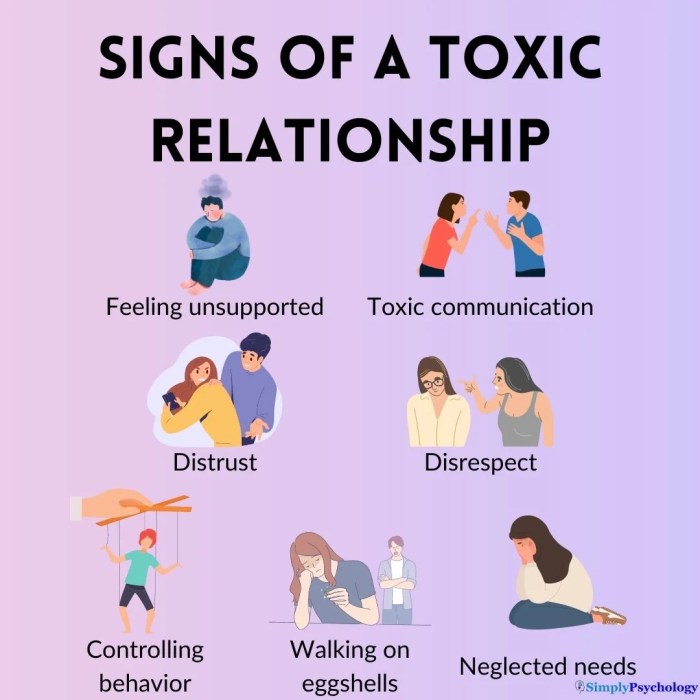
Signs of a toxic relationship

Toxic

Recognizing the signs of a toxic relationship is crucial in maintaining emotional well-being and establishing healthy boundaries.

Identifying common behaviors indicating toxicity

  • Constant criticism and belittling of one partner
  • Manipulative behavior aimed at controlling the other person
  • Isolation from friends and family by one partner
  • Unwillingness to communicate openly or resolve conflicts peacefully

Role of manipulation in toxic relationships

Manipulation often involves deceptive tactics to gain power and control over the other person’s thoughts and actions. This can lead to feelings of confusion, self-doubt, and low self-esteem in the victim.

Impact of constant criticism in a relationship

  • Diminished self-worth and confidence
  • Increased anxiety and stress levels
  • Inability to express oneself authentically
  • Development of a cycle of negativity and self-blame

Signs of control and possessiveness in a toxic relationship

  • Monitoring and restricting the other person’s activities
  • Excessive jealousy and suspicion without valid reasons
  • Dictating how the other person should dress, behave, or interact with others
  • Using threats or intimidation to maintain dominance in the relationship

Effects of a toxic relationship

Being in a toxic relationship can have severe emotional consequences on an individual. The constant stress, manipulation, and negativity can take a toll on mental well-being.

Emotional toll of being in a toxic relationship

  • Feelings of anxiety, depression, and worthlessness
  • Emotional instability and mood swings
  • Constant fear of saying or doing the wrong thing

Impact on self-esteem and confidence

  • Constant criticism and belittling can lead to low self-esteem
  • Loss of confidence in decision-making abilities
  • Feeling unworthy of love and respect

Toxic relationships leading to isolation

  • Manipulation and control tactics can result in distancing from friends and family
  • Isolation from support systems due to the toxic partner’s influence
  • Feeling ashamed or embarrassed to share the truth about the relationship

Long-term effects of staying in a toxic relationship

  • Development of trauma and PTSD symptoms
  • Difficulty forming healthy relationships in the future
  • Possible physical health consequences due to chronic stress

Characteristics of a healthy relationship

In a healthy relationship, both partners are able to communicate openly and honestly, show mutual respect, establish boundaries, and support each other’s growth and well-being.

Comparison of Healthy vs Toxic Relationship Dynamics

  • In a healthy relationship, communication is open, honest, and respectful, while in a toxic relationship, communication is often manipulative, dishonest, and disrespectful.
  • Healthy relationships prioritize mutual respect, trust, and support, whereas toxic relationships are characterized by control, jealousy, and power struggles.
  • In healthy relationships, partners encourage each other’s personal growth and independence, while toxic relationships often involve codependency and lack of individuality.

Key Elements Defining a Healthy Relationship

  • Effective communication: Open, honest, and respectful communication is essential for resolving conflicts and building trust.
  • Mutual respect: Valuing each other’s opinions, feelings, and boundaries is crucial for maintaining a healthy relationship.
  • Boundaries: Establishing and respecting boundaries helps partners feel safe, secure, and understood in the relationship.
  • Support and encouragement: Partners in a healthy relationship cheer each other on, provide emotional support, and celebrate each other’s successes.

Importance of Communication in Maintaining a Healthy Relationship

Effective communication is the cornerstone of a healthy relationship. It allows partners to express their needs, concerns, and feelings openly and honestly. By communicating effectively, partners can resolve conflicts, build trust, and deepen their emotional connection. Without clear communication, misunderstandings can lead to resentment, frustration, and distance in the relationship.

Role of Respect and Boundaries in Healthy Relationships

Respect and boundaries are essential in healthy relationships as they create a foundation of trust, safety, and mutual understanding. Respecting each other’s boundaries helps partners feel valued, heard, and respected. It also fosters a sense of autonomy and individuality within the relationship. By upholding respect and boundaries, partners can navigate conflicts, maintain a healthy balance of independence and togetherness, and cultivate a strong, lasting bond.

Seeking help and moving on from a toxic relationship

When in a toxic relationship, seeking help and moving on can be a challenging but crucial step towards regaining your well-being and happiness.

Seeking Support in a Toxic Relationship

It is essential to reach out for support when dealing with a toxic relationship. Here are some resources and tips to consider:

  • Seek guidance from a therapist or counselor who specializes in relationships.
  • Confide in trusted friends or family members for emotional support.
  • Contact helplines or support groups for individuals in similar situations.
  • Consider joining online forums or communities dedicated to healing from toxic relationships.

Setting Boundaries and Asserting Yourself

Establishing boundaries and asserting yourself is crucial in a toxic relationship to protect your well-being. Here are some strategies to consider:

  • Clearly communicate your needs and boundaries to your partner.
  • Practice assertiveness and stand firm in defending your boundaries.
  • Seek professional help to navigate setting boundaries effectively.
  • Understand that it is okay to prioritize your mental and emotional health.

Rebuilding Self-Worth After Leaving

Leaving a toxic relationship can take a toll on your self-esteem, but it is possible to rebuild your self-worth. Consider the following strategies:

  • Engage in activities that bring you joy and boost your confidence.
  • Practice self-care routines to nurture your physical and emotional well-being.
  • Seek therapy or counseling to work through any lingering self-esteem issues.
  • Surround yourself with supportive and positive individuals who uplift you.

Importance of Self-Care and Healing

After ending a toxic relationship, prioritize self-care and healing to recover and move forward. Here’s why self-care is essential:

  • Self-care helps in restoring balance and grounding after a tumultuous experience.
  • Healing allows you to process emotions and trauma from the toxic relationship.
  • Practicing self-compassion fosters self-love and acceptance.
  • Taking time to heal enables you to rebuild your life on a healthier foundation.

In conclusion, understanding the signs of a toxic relationship is vital for one’s well-being. By recognizing these behaviors and seeking help, individuals can break free from harmful dynamics and move towards healthier, more fulfilling relationships.

Question & Answer Hub

What are some subtle signs of a toxic relationship?

Subtle signs include constant criticism, feeling controlled, and a lack of personal boundaries.

How can one rebuild self-worth after leaving a toxic relationship?

Rebuilding self-worth involves self-care practices, seeking therapy, and surrounding oneself with a supportive network.

Is it common for toxic relationships to lead to isolation from friends and family?

Yes, toxic relationships often involve isolating tactics that distance individuals from their support systems.

Online dating safety Tips, Scams, and Trust Building

Dating safety online tips date again quotes saved

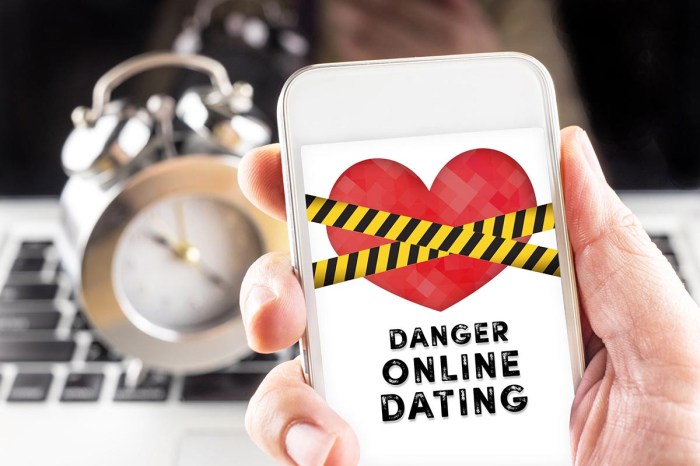
In today’s digital age, online dating safety is paramount. From essential tips to avoid scams to building trust, this comprehensive guide delves into the world of safe online dating with expert advice and practical insights.

When it comes to meeting potential matches online, ensuring your safety is key. From verifying identities to protecting personal information, this guide covers it all.

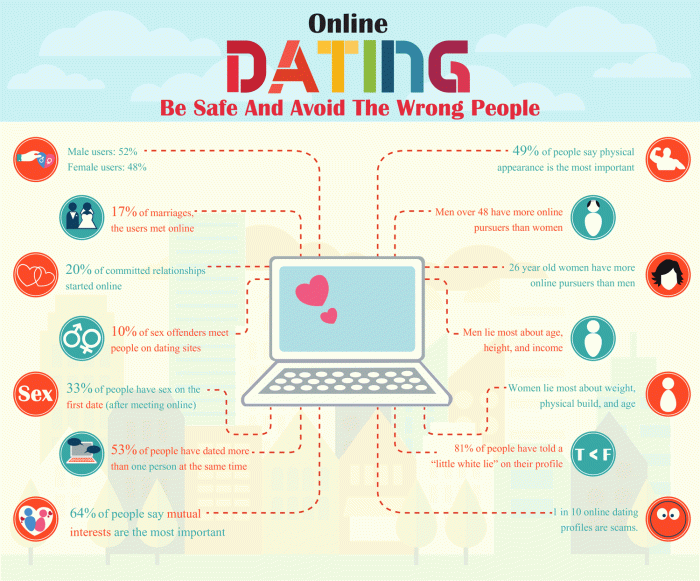
Online Dating Safety

Online dating can be a great way to meet new people and potentially find love. However, it’s important to prioritize your safety when interacting with potential matches online. Here are some tips to help you stay safe:

Verifying Identity

Before meeting someone in person from an online dating platform, make sure to verify their identity. This can include video chatting, asking for social media profiles, or conducting a background check. It’s essential to ensure that the person you are talking to is who they say they are.

Protecting Personal Information

When using online dating platforms, be cautious about sharing personal information such as your address, phone number, or financial details. Keep your communication within the app or website until you feel comfortable sharing more information with your match.

Avoiding Scams

There are various online dating scams that can target unsuspecting individuals. Some common examples include catfishing, phishing for personal information, or asking for money. To avoid falling victim to these scams, never send money to someone you haven’t met in person and be wary of individuals who seem too good to be true.

Meeting in Person

Dating safety online tips date again quotes saved

When meeting someone in person for the first time after connecting through online dating, it is crucial to prioritize your safety. Here are some essential safety measures to consider:

Choosing a Public Place

It is highly recommended to choose a public place for your initial meeting. Public places like cafes, restaurants, or parks offer a safer environment with more people around, reducing the risk of potential harm.

Informing a Friend or Family Member

Before meeting your date, make sure to inform a trusted friend or family member about your plans. Share details such as the location, time, and the person’s name. This way, someone knows where you are and can check in on you if needed.

Setting Boundaries and Communication

Setting clear boundaries is essential when meeting someone in person for the first time. Communicate your comfort levels, expectations, and boundaries clearly with your date. If anything makes you feel uncomfortable during the meeting, don’t hesitate to speak up and remove yourself from the situation. Your safety and well-being should always come first.

Building Trust

Building trust is a crucial aspect of online dating as it involves sharing personal information with someone you have not met in person. It is essential to take the time to build trust gradually before divulging sensitive details.

Verifying Authenticity

  • Verify the person’s profile information by cross-checking details on different platforms or social media.
  • Use reverse image search to check if the photos provided are authentic and not stolen from the internet.
  • Ask for video calls or meetings to confirm the person’s identity and intentions.

Red Flags to Watch Out For

  • Inconsistencies in the information provided by the person.
  • Refusal to share personal details or reluctance to meet in person.
  • Pressuring you into sharing personal information or moving the relationship too quickly.

Maintaining Skepticism

  • Trust your instincts and listen to any gut feelings or concerns you may have about the person.
  • Avoid sharing overly personal information until you feel comfortable and confident in the relationship.
  • Keep communication within the dating platform until you are confident about the person’s intentions.

RELATIONSHIPS

Trust plays a crucial role in forming healthy and successful relationships. It is the foundation upon which strong connections are built, fostering a sense of security and openness between individuals.Effective communication is essential in sustaining a long-term relationship. It involves active listening, expressing thoughts and feelings honestly, and resolving conflicts constructively. Open and honest communication helps partners understand each other better and strengthens their bond.

Setting Boundaries

Setting boundaries is key to maintaining a strong and respectful relationship. Boundaries define acceptable behavior, personal space, and individual needs. Respecting each other’s boundaries shows consideration and helps prevent misunderstandings or conflicts.

  • Establishing clear boundaries regarding personal space and privacy
  • Communicating preferences and limitations openly and honestly
  • Respecting each other’s boundaries and acknowledging when they are crossed

Mutual Respect and Understanding

Mutual respect and understanding are vital in any relationship. It involves valuing each other’s opinions, feelings, and perspectives, even if they differ from your own. By acknowledging and accepting each other’s differences, partners can build a stronger and more harmonious bond.

Showing empathy and compassion towards your partner’s feelings and experiences

Listening attentively and without judgment to your partner’s thoughts and concerns

Navigating the world of online dating safely requires caution, awareness, and trust-building. By following the tips and strategies Artikeld here, you can enhance your online dating experience and forge meaningful connections with confidence.

Question & Answer Hub

How can I stay safe while online dating?

Avoid sharing sensitive information, meet in public places, and trust your instincts.

What are common online dating scams to watch out for?

Be cautious of individuals asking for money, requesting personal details too soon, or being inconsistent in their messages.

Why is building trust important in online dating?

Building trust allows for a more meaningful connection and reduces the risk of falling victim to scams or dishonest individuals.

Healthy relationship tips Strategies for Communication, Boundaries, and Respect

Relationship relationships healthy tips advice marriage dating infographic saved skills unhealthy like

Exploring Healthy relationship tips, this introduction delves into effective communication, setting boundaries, and nurturing mutual respect in relationships. The discussion aims to provide valuable insights for fostering healthy and lasting connections.

It also covers building trust, spending quality time together, and managing conflicts in a relationship to promote understanding and growth between partners.

Healthy Relationship Tips

Effective communication is key in maintaining a healthy relationship. It involves actively listening to your partner, expressing your thoughts and feelings clearly, and being open to compromise. By communicating openly and honestly, you can avoid misunderstandings and build trust in your relationship.

Strategies for Effective Communication

  • Avoid assumptions and listen actively to your partner without interrupting.
  • Use “I” statements to express your feelings and avoid blaming language.
  • Be willing to compromise and find solutions together when conflicts arise.

Healthy Boundaries in a Relationship

Setting boundaries is essential for a healthy relationship as it helps define what is acceptable and what is not. Examples of healthy boundaries include respecting each other’s personal space, having trust in each other, and maintaining individual interests and friendships outside the relationship.

The Importance of Mutual Respect

  • Respect is the foundation of a healthy relationship and involves valuing each other’s opinions, feelings, and boundaries.
  • Show appreciation and acknowledgment for your partner’s efforts and qualities.
  • Avoid disrespectful behaviors such as name-calling, belittling, or invalidating your partner’s feelings.

Building Trust

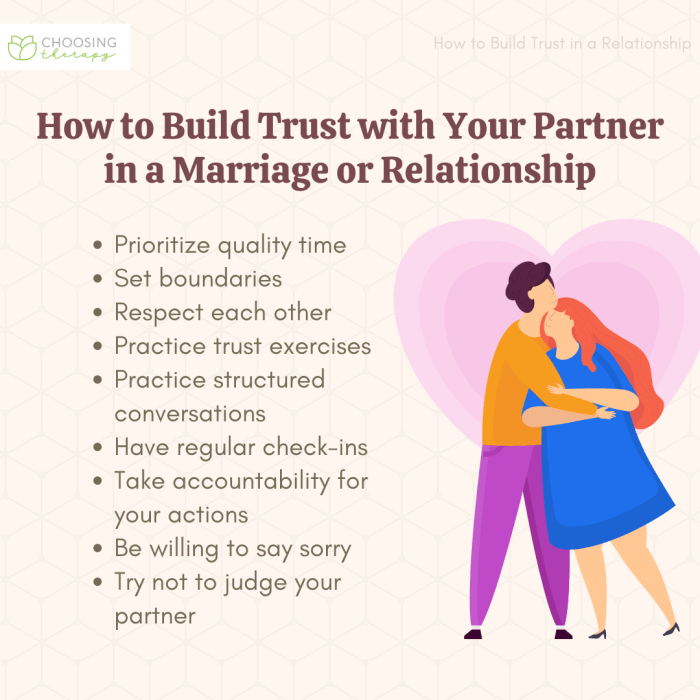
Building trust with your partner is essential for a healthy and strong relationship. Trust forms the foundation of a lasting bond and can be nurtured through various ways.

Ways to Build Trust:

  • Communicate openly and honestly: Share your thoughts, feelings, and concerns with your partner to establish transparency.
  • Be reliable and consistent: Follow through on your promises and commitments to show that you can be trusted.
  • Show empathy and understanding: Listen actively to your partner, validate their emotions, and offer support when needed.
  • Respect boundaries: Honor each other’s boundaries and privacy to build a sense of security and respect in the relationship.
  • Be vulnerable: Share your fears, insecurities, and vulnerabilities with your partner to deepen emotional intimacy and trust.

Rebuilding Trust:

  • Acknowledge the breach: Take responsibility for your actions that led to the trust being broken.
  • Apologize sincerely: Offer a genuine apology and express remorse for the hurt caused.
  • Commit to change: Show through consistent actions that you are committed to rebuilding trust and making amends.
  • Seek counseling: Consider seeking professional help to navigate the process of rebuilding trust and addressing underlying issues.
  • Give it time: Rebuilding trust takes time and patience, so allow space for healing and rebuilding the bond.

The Role of Honesty and Transparency:

  • Honesty is the cornerstone of trust in a relationship. Being truthful and transparent in your communication fosters a sense of reliability and authenticity.
  • Transparency involves sharing information openly and willingly, without hiding or withholding important details. It builds a sense of openness and integrity in the relationship.
  • Practicing honesty and transparency consistently strengthens the trust between partners and creates a safe and secure environment for emotional connection and vulnerability.

Quality Time Together

Spending quality time together as a couple is essential for nurturing a healthy relationship. It allows partners to connect, communicate, and strengthen their bond. Here are some ideas to help you make the most of your time together.

Maintaining Individual Interests

It’s important for each partner to maintain their individual interests even while in a relationship. This not only helps in personal growth but also adds depth and variety to the relationship. Here are some ways to balance individual interests while nurturing the relationship:

  • Encourage each other to pursue hobbies and passions.
  • Schedule time for personal activities and interests.
  • Respect each other’s need for alone time.

Activities to Strengthen the Bond

Engaging in activities together can strengthen the bond between partners and create lasting memories. Here are some examples of activities that can bring you closer as a couple:

  • Going for a hike or nature walk.
  • Taking a cooking class together.
  • Planning a weekend getaway or mini-vacation.
  • Volunteering for a cause you both care about.
  • Having a movie or game night at home.

Managing Conflict

Relationship relationships healthy tips advice marriage dating infographic saved skills unhealthy like

Conflict is a natural part of any relationship, but it’s how you handle it that can make all the difference. Here are some healthy ways to resolve conflicts in a relationship:

Active Listening

Active listening is crucial during disagreements. It involves fully concentrating, understanding, responding, and remembering what is being said. Here are some tips for active listening:

  • Avoid interrupting the other person
  • Repeat back what the other person has said to ensure understanding
  • Show empathy and validate their feelings

Importance of Compromise and Empathy

Compromise and empathy play a significant role in conflict resolution. It’s essential to find a middle ground and understand each other’s perspectives. Here are some ways to practice compromise and empathy:

  • Put yourself in the other person’s shoes
  • Be willing to make concessions for the greater good of the relationship
  • Acknowledge and respect each other’s feelings and viewpoints

In conclusion, Healthy relationship tips offer a roadmap for couples to enhance their bond through open communication, trust-building, quality time, and conflict resolution. By implementing these strategies, partners can cultivate a strong and harmonious relationship.

Key Questions Answered

How can I improve communication in my relationship?

To enhance communication, focus on active listening, expressing your feelings clearly, and being open to feedback from your partner.

What are some examples of healthy boundaries in a relationship?

Healthy boundaries can include respecting each other’s personal space, setting limits on acceptable behavior, and communicating openly about needs and expectations.

Why is compromise important in conflict resolution?

Compromise allows both partners to find common ground and work towards solutions that benefit the relationship as a whole, fostering understanding and cooperation.