Relationship Goals Setting, Achieving, and Celebrating Success

Goals relationship goal setting couple february life lovers posted

Embark on a journey into the realm of Relationship Goals, exploring their importance, impact, and strategies for success. Dive into the world of setting and achieving goals in romantic partnerships.

Discover the key aspects of different types of relationship goals, from communication to personal growth, and how they can strengthen the bond between partners.

Relationship Goals

Relationship goals refer to the specific aspirations, ambitions, and milestones that individuals or couples set in their romantic relationships to strengthen their bond, enhance communication, and foster mutual growth. In modern relationships, setting relationship goals has become increasingly significant as it allows partners to align their values, expectations, and visions for the future.

Examples of Common Relationship Goals

  • Improving communication: Setting a goal to communicate openly, honestly, and effectively to avoid misunderstandings and conflicts.
  • Quality time together: Making an effort to spend quality time with each other regularly to nurture the relationship and create lasting memories.
  • Supporting each other’s goals: Encouraging and supporting each other in pursuing personal and professional goals to foster mutual growth and success.
  • Building trust: Working towards building trust and transparency in the relationship by being reliable, honest, and accountable.
  • Planning for the future: Setting goals related to future plans such as marriage, children, career advancements, or shared experiences to ensure alignment in long-term aspirations.

Impact of Setting and Achieving Relationship Goals

Setting and achieving relationship goals can have a profound impact on the overall quality of a relationship. By setting clear goals and working towards them together, partners can strengthen their emotional connection, deepen their intimacy, and build a strong foundation of trust and mutual respect. Achieving relationship goals can also foster a sense of accomplishment, satisfaction, and fulfillment, leading to a happier and more fulfilling partnership.

Types of Relationship Goals

Setting relationship goals is essential for strengthening the bond between partners. By focusing on different categories such as communication, intimacy, trust, and personal growth, couples can work towards a healthier and more fulfilling relationship.

Communication

Effective communication is key to any successful relationship. Setting goals to improve communication skills, such as active listening and open dialogue, can help partners understand each other better and resolve conflicts more effectively.

Intimacy

Intimacy goes beyond physical affection and includes emotional connection and vulnerability. Couples can set goals to deepen their emotional intimacy, such as sharing thoughts and feelings openly or creating quality time together without distractions.

Trust

Trust is the foundation of a strong relationship. Setting goals to build trust, such as being honest and reliable, can create a secure and stable foundation for the partnership to thrive.

Personal Growth

Individual growth plays a crucial role in a relationship. Couples can set goals to support each other’s personal development, whether it’s pursuing new hobbies, career aspirations, or self-improvement goals.

Short-term vs. Long-term Goals

Short-term relationship goals focus on immediate improvements in the relationship, such as resolving conflicts or improving communication. Long-term goals, on the other hand, aim to build a lasting and fulfilling partnership, such as planning for the future together or supporting each other’s long-term aspirations.

Strategies for Achieving Relationship Goals

Goals relationship goal setting couple february life lovers posted

When it comes to working together towards achieving relationship goals, there are several effective strategies and tips that couples can implement to strengthen their bond and move forward in a positive direction.

Importance of Communication

Effective communication is key in any relationship. Couples should prioritize open and honest communication to express their needs, feelings, and expectations. Listening actively and showing empathy towards each other’s perspective can help in resolving conflicts and building a stronger connection.

Practice Compromise

Compromise plays a crucial role in achieving relationship goals. Both partners need to be willing to make sacrifices and find common ground on various issues. Being flexible and understanding each other’s point of view can lead to a harmonious and fulfilling relationship.

Offer Mutual Support

Supporting each other through both the ups and downs is essential for a successful relationship. Celebrating each other’s achievements and providing comfort during challenging times can create a sense of security and trust. Being each other’s biggest cheerleader can strengthen the bond between partners.

Healthy Habits and Behaviors

  • Regularly expressing appreciation and gratitude towards one another.
  • Setting aside quality time for each other and engaging in activities that both partners enjoy.
  • Showing affection through physical touch, words of affirmation, and acts of service.
  • Being patient, understanding, and forgiving towards each other’s mistakes.

Relationship Milestones vs. Relationship Goals

When it comes to relationships, milestones and goals play different but interconnected roles in shaping the journey of a couple. While relationship milestones are significant events or achievements that mark progress in a relationship, relationship goals are specific objectives that a couple sets to improve their relationship over time.

Differentiate between Relationship Milestones and Relationship Goals

  • Relationship milestones are major events or achievements in a relationship, such as getting married, buying a house, or having a child. These milestones are often seen as important markers of progress and commitment in a relationship.
  • Relationship goals, on the other hand, are specific objectives that a couple sets to enhance their relationship. These goals can be related to communication, intimacy, financial matters, or any other aspect of the relationship that the couple wants to work on.

Explore how Relationship Milestones Influence Setting Relationship Goals

  • Relationship milestones can influence the setting of relationship goals by providing a roadmap for the couple to follow. For example, after getting married, a couple may set a goal to travel to a new destination every year to strengthen their bond.
  • By achieving relationship milestones, couples can gain insights into their strengths and areas for improvement, which can help them set more realistic and meaningful relationship goals.

Discuss the Role of Celebrating Milestones in Maintaining Motivation for Achieving Relationship Goals

  • Celebrating relationship milestones can create a sense of accomplishment and joy, which can motivate couples to continue working towards their relationship goals.
  • Recognizing and celebrating milestones can also strengthen the bond between partners, fostering a sense of teamwork and unity that can be carried forward in pursuing future relationship goals.

As we conclude our exploration of Relationship Goals, remember the significance of milestones, effective strategies, and healthy habits in maintaining a thriving relationship. Cheers to setting, achieving, and celebrating success together!

FAQ Insights

What are some examples of common relationship goals?

Common relationship goals include improving communication, building trust, fostering intimacy, and supporting each other’s personal growth.

How can couples effectively work towards achieving their relationship goals?

Couples can work towards their relationship goals by maintaining open communication, practicing compromise, offering mutual support, and cultivating healthy habits together.

Building trust in relationships Key to Strong Bonds

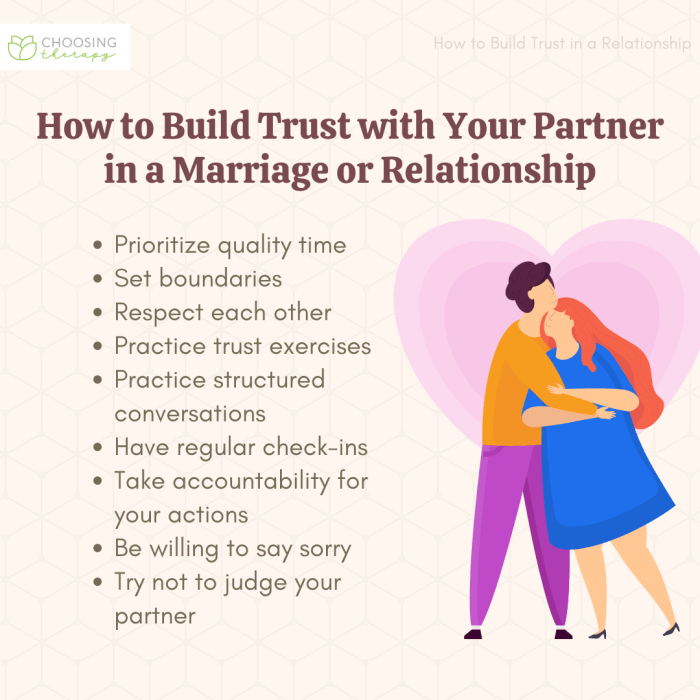
Relationship trust emotional intelligence management build building good relationships four healthy do people rebuilding manage helpers marriage happy vision

Embark on a journey to explore the essence of trust in relationships, where communication, reliability, and vulnerability play pivotal roles in fostering deep connections.

Delve into the intricacies of building trust in both personal and professional relationships for a fulfilling and enriching bond.

Understanding Trust in Relationships

Relationship trust emotional intelligence management build building good relationships four healthy do people rebuilding manage helpers marriage happy vision

Trust in relationships refers to the belief and confidence that one person has in another, where they can rely on each other, be open and vulnerable, and expect honesty and loyalty.

Importance of Trust

Trust is essential for building strong relationships as it forms the foundation of emotional connection, communication, and intimacy. Without trust, relationships can suffer from insecurity, doubt, and lack of authenticity.

Impact of Trust in Different Relationships

  • Family: Trust within a family unit fosters a sense of safety, support, and belonging, allowing family members to rely on each other during challenging times and share their true thoughts and feelings without fear of judgment.
  • Friendships: Trust in friendships enables individuals to confide in each other, offer mutual support, and create lasting bonds based on honesty and loyalty. Without trust, friendships may feel superficial or strained.
  • Romantic Relationships: Trust is crucial in romantic relationships as it builds a strong emotional connection, enhances intimacy, and promotes mutual respect and understanding. Infidelity or lack of trust can lead to betrayal and damage the relationship.
  • Professional Relationships: Trust in professional relationships is vital for teamwork, effective communication, and a positive work environment. Colleagues who trust each other are more likely to collaborate, share ideas, and achieve common goals successfully.

Factors Influencing Trust Building

Building trust in relationships is a complex process influenced by various factors. Let’s delve into the key elements that play a crucial role in fostering trust between individuals.

Role of Communication

Effective communication is the cornerstone of trust building in relationships. Open and honest communication helps in establishing transparency, understanding, and empathy between individuals. By expressing thoughts, feelings, and concerns openly, individuals can build a sense of connection and mutual respect. Communication also involves active listening, which shows that you value and respect the other person’s perspective.

Importance of Reliability and Consistency

Reliability and consistency are essential factors in fostering trust. When individuals consistently follow through on their commitments and promises, it builds a sense of dependability and reliability. Consistency in behavior and actions helps in creating a secure and predictable environment, which is crucial for building trust over time. Trust is eroded when there is inconsistency or unreliability in words and actions.

Contribution of Vulnerability and Openness

Vulnerability and openness play a significant role in building trust in relationships. When individuals are willing to be vulnerable and share their authentic selves, it creates a deeper connection based on honesty and authenticity. Being open about one’s struggles, fears, and insecurities allows for genuine emotional intimacy and understanding. This willingness to show vulnerability and openness fosters a sense of trust and closeness in relationships.

Building Trust in Personal Relationships

Building trust in personal relationships is essential for creating strong and meaningful connections with those closest to us. Whether it’s with a romantic partner, friends, or family members, trust forms the foundation of healthy and lasting relationships.

Strategies for Building Trust with a Romantic Partner

Building trust in a romantic relationship requires open communication, honesty, and vulnerability. It is essential to be reliable, keep promises, and show genuine care and affection towards your partner. Sharing your thoughts, feelings, and fears openly can help foster a deeper sense of trust and intimacy in the relationship.

The Significance of Empathy and Active Listening with Friends

Empathy and active listening are crucial for nurturing trust with friends. By actively listening to your friends’ concerns, showing understanding, and providing support when needed, you can strengthen the bond of trust between you. Empathy allows you to see things from their perspective, fostering a deeper connection and trust in the friendship.

Honesty and Transparency in Familial Relationships

In familial relationships, honesty and transparency play a vital role in building trust. Being open and honest about your thoughts, actions, and decisions with family members can help create a sense of trust and security within the family unit. By sharing information openly and transparently, you can strengthen your bond with family members and foster a culture of trust and respect.

Building Trust in Professional Relationships

Building trust in professional relationships is crucial for fostering a positive and productive work environment. Trust impacts working relationships in a professional setting by creating a sense of reliability, transparency, and mutual respect among colleagues. When trust is established, team members are more likely to communicate openly, collaborate effectively, and achieve common goals.

The Role of Integrity and Competence

Integrity and competence play key roles in gaining trust from colleagues in a professional setting. Colleagues look for individuals who demonstrate honesty, reliability, and ethical behavior. Showing integrity by following through on commitments, being transparent in communication, and upholding ethical standards are essential in building trust.

Competence is equally important in gaining trust from colleagues. Demonstrating knowledge, skills, and expertise in your field instills confidence in others and shows that you are capable of delivering results. Consistently producing high-quality work and demonstrating a strong work ethic are crucial in gaining trust based on competence.

Tips for Building Trust with Clients or Customers

In a business context, building trust with clients or customers is vital for establishing long-term relationships and fostering loyalty. Here are some tips for building trust in professional relationships:

  • Communicate openly and transparently: Keep clients informed about progress, challenges, and any changes in plans.
  • Deliver on promises: Consistently meet deadlines, deliver quality work, and honor commitments to build credibility.
  • Show empathy and understanding: Listen to clients’ needs, concerns, and feedback, and demonstrate empathy in your interactions.
  • Be reliable and consistent: Establish a track record of reliability by consistently delivering on expectations and maintaining professionalism.
  • Seek feedback and act on it: Invite feedback from clients to show that you value their input and are committed to improving your services.

In conclusion, trust serves as the cornerstone of any successful relationship, weaving together threads of honesty, empathy, and integrity to form unbreakable bonds that stand the test of time.

Questions and Answers

How can I rebuild trust once it’s broken?

To rebuild trust, open communication, genuine remorse, and consistent actions to make amends are crucial. It takes time and effort, but it is possible.

Is trust fragile in relationships?

Trust can be fragile, but with nurturing through honesty, reliability, and empathy, it can grow stronger and more resilient over time.

Why is trust essential in professional relationships?

Trust in professional relationships fosters teamwork, enhances productivity, and creates a positive work environment built on mutual respect and reliability.

Long-distance relationships Navigating Love Across Miles

Relationship

Embark on a journey through the complexities of long-distance relationships, exploring the challenges, benefits, and strategies that shape these unique bonds.

Delve into the intricacies of maintaining love across physical distance and the profound impact of technology on modern relationships.

Long-distance relationships

Long-distance relationships are romantic relationships where partners are geographically separated and are unable to meet frequently in person. This can be due to various reasons such as work, education, or family commitments that require them to be in different locations.

Challenges faced in long-distance relationships

  • Physical distance leading to feelings of loneliness and isolation.
  • Lack of physical intimacy and touch.
  • Communication barriers due to time zone differences.
  • Trust issues and insecurities arising from not being able to monitor partner’s activities.

Importance of communication in maintaining a long-distance relationship

Communication plays a crucial role in keeping a long-distance relationship strong and healthy. It helps in building trust, resolving conflicts, and staying connected emotionally. Regular and open communication can bridge the gap created by physical distance and ensure that both partners feel supported and understood.

Impact of technology on long-distance relationships

  • Technology has made it easier to stay in touch through video calls, messaging apps, and social media platforms.
  • Virtual dates and activities can be planned using online tools, helping couples feel connected despite the distance.
  • Monitoring each other’s daily activities through social media can sometimes lead to misunderstandings and trust issues.
  • Technology can also create a sense of dependency on constant communication, making it challenging to have personal space and time.

Advantages of long-distance relationships

Long-distance relationships come with their own set of advantages that can strengthen the bond between partners despite the physical distance separating them. Absence can indeed make the heart grow fonder in these relationships, leading to a deeper emotional connection.

Personal growth and independence

Long-distance relationships often provide individuals with the opportunity to focus on personal growth and independence. The distance allows partners to pursue their individual goals, hobbies, and interests without compromising their relationship. This independence can lead to a stronger sense of self and personal development, which can ultimately benefit the relationship in the long run.

Trust in the relationship

Trust is a crucial component of any relationship, and in long-distance relationships, it becomes even more important. The distance between partners requires a high level of trust and communication to maintain the connection. Building and maintaining trust in a long-distance relationship can strengthen the bond between partners and create a solid foundation for the future.

Strategies for maintaining a healthy long-distance relationship

Relationship

Maintaining a healthy long-distance relationship requires effort, commitment, and effective communication to bridge the physical gap between partners.

Tips for effective communication in a long-distance relationship

  • Establish regular communication schedules to stay connected and updated on each other’s lives.
  • Utilize various communication tools such as video calls, voice messages, and texts to maintain intimacy.
  • Be open and honest about your feelings, concerns, and expectations to avoid misunderstandings.
  • Practice active listening to understand your partner’s perspective and show empathy towards their emotions.

The significance of setting goals and expectations in long-distance relationships

Setting clear goals and expectations helps both partners align their priorities and work towards a common future, fostering trust and commitment in the relationship.

Ways to strengthen the emotional connection despite the physical distance

  • Engage in shared activities or hobbies virtually to create shared experiences and memories.
  • Surprise your partner with thoughtful gestures or gifts to show your love and appreciation.
  • Express gratitude and affection regularly to maintain the emotional bond between you and your partner.
  • Plan virtual date nights or activities to keep the romance alive and create special moments together.

The importance of planning visits and spending quality time together in long-distance relationships

Physical visits are crucial for strengthening the emotional connection and maintaining the bond between partners. Planning quality time together allows for deeper emotional intimacy and rekindles the spark in the relationship.

Relationships

Relationships are connections or bonds between individuals that involve emotional, physical, and sometimes even spiritual aspects. These connections can be romantic, platonic, familial, or professional in nature, and they play a crucial role in shaping our lives and well-being.

Types of Relationships

    There are various types of relationships that individuals can experience:

  • Romantic Relationships: Involving love, intimacy, and partnership.
  • Platonic Relationships: Based on friendship, mutual respect, and companionship.
  • Familial Relationships: Connected by blood or legal ties, such as parent-child or sibling relationships.
  • Professional Relationships: Formed in the workplace, focused on collaboration, mentorship, and networking.

Key Components of a Healthy Relationship

    A healthy and successful relationship typically involves the following key components:

  • Communication: Open, honest, and effective communication is essential for understanding each other’s needs and resolving conflicts.
  • Trust: Building trust through consistency, reliability, and integrity is crucial for a strong foundation in any relationship.
  • Respect: Mutual respect for each other’s feelings, boundaries, and individuality fosters a positive and supportive environment.
  • Empathy: Being able to understand and share the feelings of your partner promotes emotional connection and compassion.
  • Support: Offering encouragement, assistance, and encouragement during challenging times strengthens the bond between individuals.

Role of Boundaries and Respect

    Boundaries and respect are fundamental in maintaining a strong and healthy relationship:

  • Boundaries: Setting clear boundaries helps establish expectations, limits, and personal space within the relationship, promoting mutual understanding and respect.
  • Respect: Respecting each other’s boundaries, opinions, and decisions is essential for creating a harmonious and balanced dynamic.
  • Consent: Seeking and obtaining consent in all aspects of the relationship, whether physical, emotional, or social, demonstrates respect and consideration for your partner’s autonomy.

In conclusion, long-distance relationships require effort, communication, and trust to thrive, offering opportunities for personal growth and deeper connections beyond borders.

User Queries

What are the benefits of being in a long-distance relationship?

Long-distance relationships can foster independence, personal growth, and a stronger emotional bond.

How can couples manage communication effectively in a long-distance relationship?

Regular communication, setting aside dedicated time for each other, and being transparent are key to maintaining a healthy connection.

Online dating safety Tips, Scams, and Trust Building

Dating safety online tips date again quotes saved

In today’s digital age, online dating safety is paramount. From essential tips to avoid scams to building trust, this comprehensive guide delves into the world of safe online dating with expert advice and practical insights.

When it comes to meeting potential matches online, ensuring your safety is key. From verifying identities to protecting personal information, this guide covers it all.

Online Dating Safety

Online dating can be a great way to meet new people and potentially find love. However, it’s important to prioritize your safety when interacting with potential matches online. Here are some tips to help you stay safe:

Verifying Identity

Before meeting someone in person from an online dating platform, make sure to verify their identity. This can include video chatting, asking for social media profiles, or conducting a background check. It’s essential to ensure that the person you are talking to is who they say they are.

Protecting Personal Information

When using online dating platforms, be cautious about sharing personal information such as your address, phone number, or financial details. Keep your communication within the app or website until you feel comfortable sharing more information with your match.

Avoiding Scams

There are various online dating scams that can target unsuspecting individuals. Some common examples include catfishing, phishing for personal information, or asking for money. To avoid falling victim to these scams, never send money to someone you haven’t met in person and be wary of individuals who seem too good to be true.

Meeting in Person

Dating safety online tips date again quotes saved

When meeting someone in person for the first time after connecting through online dating, it is crucial to prioritize your safety. Here are some essential safety measures to consider:

Choosing a Public Place

It is highly recommended to choose a public place for your initial meeting. Public places like cafes, restaurants, or parks offer a safer environment with more people around, reducing the risk of potential harm.

Informing a Friend or Family Member

Before meeting your date, make sure to inform a trusted friend or family member about your plans. Share details such as the location, time, and the person’s name. This way, someone knows where you are and can check in on you if needed.

Setting Boundaries and Communication

Setting clear boundaries is essential when meeting someone in person for the first time. Communicate your comfort levels, expectations, and boundaries clearly with your date. If anything makes you feel uncomfortable during the meeting, don’t hesitate to speak up and remove yourself from the situation. Your safety and well-being should always come first.

Building Trust

Building trust is a crucial aspect of online dating as it involves sharing personal information with someone you have not met in person. It is essential to take the time to build trust gradually before divulging sensitive details.

Verifying Authenticity

  • Verify the person’s profile information by cross-checking details on different platforms or social media.
  • Use reverse image search to check if the photos provided are authentic and not stolen from the internet.
  • Ask for video calls or meetings to confirm the person’s identity and intentions.

Red Flags to Watch Out For

  • Inconsistencies in the information provided by the person.
  • Refusal to share personal details or reluctance to meet in person.
  • Pressuring you into sharing personal information or moving the relationship too quickly.

Maintaining Skepticism

  • Trust your instincts and listen to any gut feelings or concerns you may have about the person.
  • Avoid sharing overly personal information until you feel comfortable and confident in the relationship.
  • Keep communication within the dating platform until you are confident about the person’s intentions.

RELATIONSHIPS

Trust plays a crucial role in forming healthy and successful relationships. It is the foundation upon which strong connections are built, fostering a sense of security and openness between individuals.Effective communication is essential in sustaining a long-term relationship. It involves active listening, expressing thoughts and feelings honestly, and resolving conflicts constructively. Open and honest communication helps partners understand each other better and strengthens their bond.

Setting Boundaries

Setting boundaries is key to maintaining a strong and respectful relationship. Boundaries define acceptable behavior, personal space, and individual needs. Respecting each other’s boundaries shows consideration and helps prevent misunderstandings or conflicts.

  • Establishing clear boundaries regarding personal space and privacy
  • Communicating preferences and limitations openly and honestly
  • Respecting each other’s boundaries and acknowledging when they are crossed

Mutual Respect and Understanding

Mutual respect and understanding are vital in any relationship. It involves valuing each other’s opinions, feelings, and perspectives, even if they differ from your own. By acknowledging and accepting each other’s differences, partners can build a stronger and more harmonious bond.

Showing empathy and compassion towards your partner’s feelings and experiences

Listening attentively and without judgment to your partner’s thoughts and concerns

Navigating the world of online dating safely requires caution, awareness, and trust-building. By following the tips and strategies Artikeld here, you can enhance your online dating experience and forge meaningful connections with confidence.

Question & Answer Hub

How can I stay safe while online dating?

Avoid sharing sensitive information, meet in public places, and trust your instincts.

What are common online dating scams to watch out for?

Be cautious of individuals asking for money, requesting personal details too soon, or being inconsistent in their messages.

Why is building trust important in online dating?

Building trust allows for a more meaningful connection and reduces the risk of falling victim to scams or dishonest individuals.

Healthy relationship tips Strategies for Communication, Boundaries, and Respect

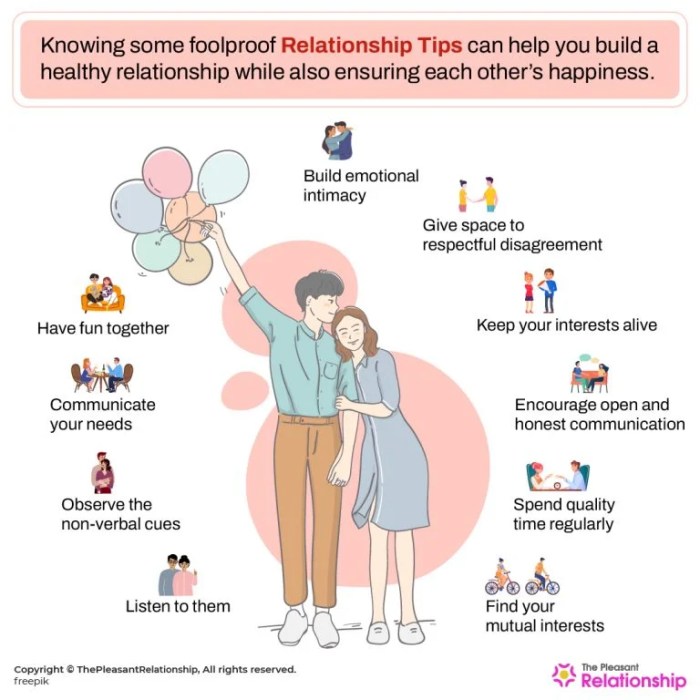
Relationship relationships healthy tips advice marriage dating infographic saved skills unhealthy like

Exploring Healthy relationship tips, this introduction delves into effective communication, setting boundaries, and nurturing mutual respect in relationships. The discussion aims to provide valuable insights for fostering healthy and lasting connections.

It also covers building trust, spending quality time together, and managing conflicts in a relationship to promote understanding and growth between partners.

Healthy Relationship Tips

Effective communication is key in maintaining a healthy relationship. It involves actively listening to your partner, expressing your thoughts and feelings clearly, and being open to compromise. By communicating openly and honestly, you can avoid misunderstandings and build trust in your relationship.

Strategies for Effective Communication

  • Avoid assumptions and listen actively to your partner without interrupting.
  • Use “I” statements to express your feelings and avoid blaming language.
  • Be willing to compromise and find solutions together when conflicts arise.

Healthy Boundaries in a Relationship

Setting boundaries is essential for a healthy relationship as it helps define what is acceptable and what is not. Examples of healthy boundaries include respecting each other’s personal space, having trust in each other, and maintaining individual interests and friendships outside the relationship.

The Importance of Mutual Respect

  • Respect is the foundation of a healthy relationship and involves valuing each other’s opinions, feelings, and boundaries.
  • Show appreciation and acknowledgment for your partner’s efforts and qualities.
  • Avoid disrespectful behaviors such as name-calling, belittling, or invalidating your partner’s feelings.

Building Trust

Building trust with your partner is essential for a healthy and strong relationship. Trust forms the foundation of a lasting bond and can be nurtured through various ways.

Ways to Build Trust:

  • Communicate openly and honestly: Share your thoughts, feelings, and concerns with your partner to establish transparency.
  • Be reliable and consistent: Follow through on your promises and commitments to show that you can be trusted.
  • Show empathy and understanding: Listen actively to your partner, validate their emotions, and offer support when needed.
  • Respect boundaries: Honor each other’s boundaries and privacy to build a sense of security and respect in the relationship.
  • Be vulnerable: Share your fears, insecurities, and vulnerabilities with your partner to deepen emotional intimacy and trust.

Rebuilding Trust:

  • Acknowledge the breach: Take responsibility for your actions that led to the trust being broken.
  • Apologize sincerely: Offer a genuine apology and express remorse for the hurt caused.
  • Commit to change: Show through consistent actions that you are committed to rebuilding trust and making amends.
  • Seek counseling: Consider seeking professional help to navigate the process of rebuilding trust and addressing underlying issues.
  • Give it time: Rebuilding trust takes time and patience, so allow space for healing and rebuilding the bond.

The Role of Honesty and Transparency:

  • Honesty is the cornerstone of trust in a relationship. Being truthful and transparent in your communication fosters a sense of reliability and authenticity.
  • Transparency involves sharing information openly and willingly, without hiding or withholding important details. It builds a sense of openness and integrity in the relationship.
  • Practicing honesty and transparency consistently strengthens the trust between partners and creates a safe and secure environment for emotional connection and vulnerability.

Quality Time Together

Spending quality time together as a couple is essential for nurturing a healthy relationship. It allows partners to connect, communicate, and strengthen their bond. Here are some ideas to help you make the most of your time together.

Maintaining Individual Interests

It’s important for each partner to maintain their individual interests even while in a relationship. This not only helps in personal growth but also adds depth and variety to the relationship. Here are some ways to balance individual interests while nurturing the relationship:

  • Encourage each other to pursue hobbies and passions.
  • Schedule time for personal activities and interests.
  • Respect each other’s need for alone time.

Activities to Strengthen the Bond

Engaging in activities together can strengthen the bond between partners and create lasting memories. Here are some examples of activities that can bring you closer as a couple:

  • Going for a hike or nature walk.
  • Taking a cooking class together.
  • Planning a weekend getaway or mini-vacation.
  • Volunteering for a cause you both care about.
  • Having a movie or game night at home.

Managing Conflict

Relationship relationships healthy tips advice marriage dating infographic saved skills unhealthy like

Conflict is a natural part of any relationship, but it’s how you handle it that can make all the difference. Here are some healthy ways to resolve conflicts in a relationship:

Active Listening

Active listening is crucial during disagreements. It involves fully concentrating, understanding, responding, and remembering what is being said. Here are some tips for active listening:

  • Avoid interrupting the other person
  • Repeat back what the other person has said to ensure understanding
  • Show empathy and validate their feelings

Importance of Compromise and Empathy

Compromise and empathy play a significant role in conflict resolution. It’s essential to find a middle ground and understand each other’s perspectives. Here are some ways to practice compromise and empathy:

  • Put yourself in the other person’s shoes
  • Be willing to make concessions for the greater good of the relationship
  • Acknowledge and respect each other’s feelings and viewpoints

In conclusion, Healthy relationship tips offer a roadmap for couples to enhance their bond through open communication, trust-building, quality time, and conflict resolution. By implementing these strategies, partners can cultivate a strong and harmonious relationship.

Key Questions Answered

How can I improve communication in my relationship?

To enhance communication, focus on active listening, expressing your feelings clearly, and being open to feedback from your partner.

What are some examples of healthy boundaries in a relationship?

Healthy boundaries can include respecting each other’s personal space, setting limits on acceptable behavior, and communicating openly about needs and expectations.

Why is compromise important in conflict resolution?

Compromise allows both partners to find common ground and work towards solutions that benefit the relationship as a whole, fostering understanding and cooperation.