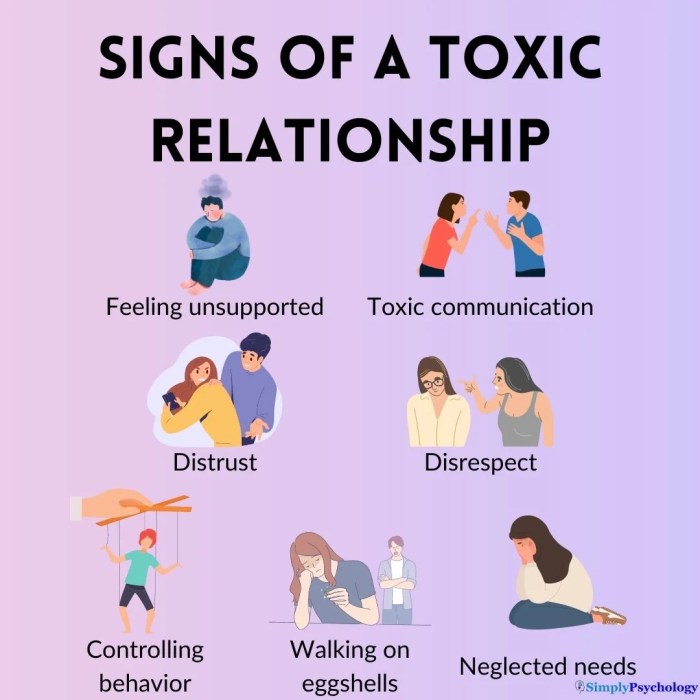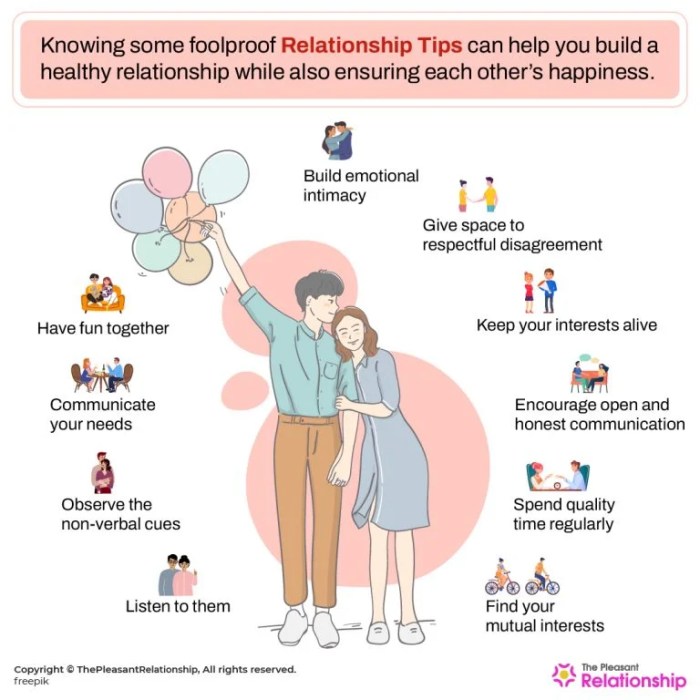
Embark on a journey to explore the essence of trust in relationships, where communication, reliability, and vulnerability play pivotal roles in fostering deep connections.
Delve into the intricacies of building trust in both personal and professional relationships for a fulfilling and enriching bond.
Understanding Trust in Relationships
Trust in relationships refers to the belief and confidence that one person has in another, where they can rely on each other, be open and vulnerable, and expect honesty and loyalty.
Importance of Trust
Trust is essential for building strong relationships as it forms the foundation of emotional connection, communication, and intimacy. Without trust, relationships can suffer from insecurity, doubt, and lack of authenticity.
Impact of Trust in Different Relationships
- Family: Trust within a family unit fosters a sense of safety, support, and belonging, allowing family members to rely on each other during challenging times and share their true thoughts and feelings without fear of judgment.
- Friendships: Trust in friendships enables individuals to confide in each other, offer mutual support, and create lasting bonds based on honesty and loyalty. Without trust, friendships may feel superficial or strained.
- Romantic Relationships: Trust is crucial in romantic relationships as it builds a strong emotional connection, enhances intimacy, and promotes mutual respect and understanding. Infidelity or lack of trust can lead to betrayal and damage the relationship.
- Professional Relationships: Trust in professional relationships is vital for teamwork, effective communication, and a positive work environment. Colleagues who trust each other are more likely to collaborate, share ideas, and achieve common goals successfully.
Factors Influencing Trust Building
Building trust in relationships is a complex process influenced by various factors. Let’s delve into the key elements that play a crucial role in fostering trust between individuals.
Role of Communication
Effective communication is the cornerstone of trust building in relationships. Open and honest communication helps in establishing transparency, understanding, and empathy between individuals. By expressing thoughts, feelings, and concerns openly, individuals can build a sense of connection and mutual respect. Communication also involves active listening, which shows that you value and respect the other person’s perspective.
Importance of Reliability and Consistency
Reliability and consistency are essential factors in fostering trust. When individuals consistently follow through on their commitments and promises, it builds a sense of dependability and reliability. Consistency in behavior and actions helps in creating a secure and predictable environment, which is crucial for building trust over time. Trust is eroded when there is inconsistency or unreliability in words and actions.
Contribution of Vulnerability and Openness
Vulnerability and openness play a significant role in building trust in relationships. When individuals are willing to be vulnerable and share their authentic selves, it creates a deeper connection based on honesty and authenticity. Being open about one’s struggles, fears, and insecurities allows for genuine emotional intimacy and understanding. This willingness to show vulnerability and openness fosters a sense of trust and closeness in relationships.
Building Trust in Personal Relationships
Building trust in personal relationships is essential for creating strong and meaningful connections with those closest to us. Whether it’s with a romantic partner, friends, or family members, trust forms the foundation of healthy and lasting relationships.
Strategies for Building Trust with a Romantic Partner
Building trust in a romantic relationship requires open communication, honesty, and vulnerability. It is essential to be reliable, keep promises, and show genuine care and affection towards your partner. Sharing your thoughts, feelings, and fears openly can help foster a deeper sense of trust and intimacy in the relationship.
The Significance of Empathy and Active Listening with Friends
Empathy and active listening are crucial for nurturing trust with friends. By actively listening to your friends’ concerns, showing understanding, and providing support when needed, you can strengthen the bond of trust between you. Empathy allows you to see things from their perspective, fostering a deeper connection and trust in the friendship.
Honesty and Transparency in Familial Relationships
In familial relationships, honesty and transparency play a vital role in building trust. Being open and honest about your thoughts, actions, and decisions with family members can help create a sense of trust and security within the family unit. By sharing information openly and transparently, you can strengthen your bond with family members and foster a culture of trust and respect.
Building Trust in Professional Relationships
Building trust in professional relationships is crucial for fostering a positive and productive work environment. Trust impacts working relationships in a professional setting by creating a sense of reliability, transparency, and mutual respect among colleagues. When trust is established, team members are more likely to communicate openly, collaborate effectively, and achieve common goals.
The Role of Integrity and Competence
Integrity and competence play key roles in gaining trust from colleagues in a professional setting. Colleagues look for individuals who demonstrate honesty, reliability, and ethical behavior. Showing integrity by following through on commitments, being transparent in communication, and upholding ethical standards are essential in building trust.
Competence is equally important in gaining trust from colleagues. Demonstrating knowledge, skills, and expertise in your field instills confidence in others and shows that you are capable of delivering results. Consistently producing high-quality work and demonstrating a strong work ethic are crucial in gaining trust based on competence.
Tips for Building Trust with Clients or Customers
In a business context, building trust with clients or customers is vital for establishing long-term relationships and fostering loyalty. Here are some tips for building trust in professional relationships:
- Communicate openly and transparently: Keep clients informed about progress, challenges, and any changes in plans.
- Deliver on promises: Consistently meet deadlines, deliver quality work, and honor commitments to build credibility.
- Show empathy and understanding: Listen to clients’ needs, concerns, and feedback, and demonstrate empathy in your interactions.
- Be reliable and consistent: Establish a track record of reliability by consistently delivering on expectations and maintaining professionalism.
- Seek feedback and act on it: Invite feedback from clients to show that you value their input and are committed to improving your services.
In conclusion, trust serves as the cornerstone of any successful relationship, weaving together threads of honesty, empathy, and integrity to form unbreakable bonds that stand the test of time.
Questions and Answers
How can I rebuild trust once it’s broken?
To rebuild trust, open communication, genuine remorse, and consistent actions to make amends are crucial. It takes time and effort, but it is possible.
Is trust fragile in relationships?
Trust can be fragile, but with nurturing through honesty, reliability, and empathy, it can grow stronger and more resilient over time.
Why is trust essential in professional relationships?
Trust in professional relationships fosters teamwork, enhances productivity, and creates a positive work environment built on mutual respect and reliability.